

Choosing between a marble and a wooden rolling pin can influence how your pastries turn out.
Marble pins stay cooler longer, helping with flaky doughs.
While wood is more affordable and easier to handle daily.
The best choice depends on whether you value temperature control or practicality.
Keep reading to find out which one matches your baking style.
Does Your Rolling Pin Material Really Matter?
The material of your rolling pin definitely influences how your dough behaves during preparation. Marble rolling pins stay naturally cool, which slows down the softening of butter in pastry dough. This is especially helpful when working with laminated doughs like croissants or delicate pie crusts. Marble’s cool thermal mass also helps maintain a consistent temperature as you roll. Similarly, the KitchenAid mixer attachments reviewed on the top attachments page offer specialized tools that enhance temperature control and precision for specific baking tasks. For those seeking the best overall performance, a stainless steel bowl is a durable and non-reactive option that complements temperature-sensitive baking.
In contrast, wooden rolling pins do not chill the dough, so they keep your dough at room temperature. This makes them a versatile all-purpose tool for everyday baking tasks. Their porous surface can absorb moisture and flour, which means proper conditioning is essential to prevent sticking. Marble’s smooth, slick surface reduces sticking and allows for easy flour dusting, while wood’s textured surface might require more effort to keep clean.
For maintenance, marble needs only a wash with soap and water. Wooden pins, however, benefit from occasional oiling to keep the wood conditioned and prevent drying out. Your choice of material ultimately depends on whether you prioritize temperature control—favoring marble—or ease of maintenance and versatility—favoring wood.
Marble vs Wood: How Weight Changes Your Rolling Experience
Marble pins, weighing between 3.5 and 5 pounds, provide a distinct advantage in your rolling tasks by applying more downward force with less effort. The added weight means you can flatten dough efficiently, often with fewer passes, because the pin naturally presses down more firmly without requiring constant manual pressure. This consistent weight distribution allows the pin to glide smoothly across the surface, maintaining steady contact and reducing surface friction. Heavier marble pins feel stable under your hands, so you need less pressure to achieve even thickness, making the process more comfortable and less tiring during prolonged use. Conversely, lighter wood pins rely more on your active pushing and technique, since they have less mass to do the work for you. While wood pins are easier to lift and change directions with, they demand more effort from your arm. The density of marble reduces fatigue by lessening the workload, but it can feel cumbersome during extended sessions. For mixing stiff doughs on a stand mixer, a dough hook handles the heavy work much like a heavy marble pin reduces your manual effort. Ultimately, the weight influences your rolling experience by balancing control, effort, and comfort based on how much the pin naturally presses down for you. If you prioritize safety and performance in the kitchen, consider top oven gloves to protect your hands from heat while handling hot bakeware. For an alternative approach, building a DIY Rolling Pin Holder can save money by storing your pin neatly.

ROLL OUT DOUGH EASILY: This heavy marble rolling pin, with 360° bearings, lets you roll out the toughest dough evenly without applying a lot of pressure. The smooth surface and cooling property of marble makes it easy to work with and also ideal for baking.

Luxury Africa Marble: Koville marble rolling pin comes from the distant and mysterious African continent - Namibia: the ancient mystery of the red desert, the blue sea of the quiet and distant, making it more attractive. Koville's passion for natural stone drives us to provide you with luxurious and stylish stone products
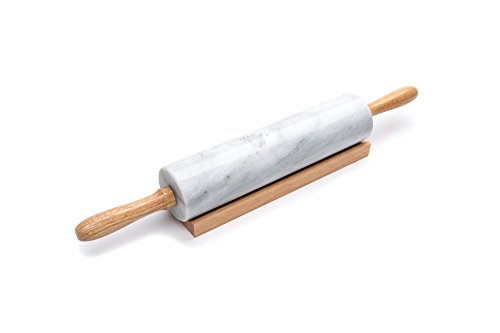
ELEGANT NATURAL STONE ROLLING PIN is designed from 100% marble and accented with sleek and smooth wooden handles, making it so that you can keep your grip hassle-free and spend more time concentrating on the task at hand.
Which Material Keeps Dough Cooler: Marble or Wood?
Marble keeps dough cooler than wood due to its high thermal mass. It absorbs heat quickly and retains cold longer, making it ideal for maintaining low dough temperatures. When you chill marble surfaces, they stay noticeably cooler than wood even after sitting at room temperature for some time. This sustained cold helps prevent butter from softening too quickly, which is critical for flaky pastries like pie crusts, puff pastry, and croissants. Wood warms up faster from your hands and the surrounding air, so it cannot hold a chill as effectively. As a result, dough on wood surfaces may warm up faster, leading to softer butter and less flaky texture. For best results, refrigerate your marble pin or surface before working with cold, butter-rich doughs. Unlike marble, some wooden kitchen tools are not microwave safe and may crack or warp under high heat. This extra step boosts marble’s cooling power and helps preserve dough integrity. For precise ingredient portions that also affect dough temperature, a food scale offers superior accuracy over volume measurements.
Marble vs Wood: Which Is Gentler on Delicate Doughs?
Marble is gentler on delicate doughs because its heavy mass reduces the amount of downward force you need to apply when flattening. This makes it especially helpful for butter-rich laminated pastries like puff pastry, as the cool, slick surface prevents sticking and overworking the dough. However, its weight can also pose a risk, as pressing too hard on fragile textures might crush their airy layers and compromise their structure. The solid marble construction resists stains, odors, and mold, ensuring a hygienic surface that remains easy to clean with just a light dusting of flour or warm soapy water. For thorough maintenance, you can use warm soapy water to lift any stubborn residue without damaging the stone.
Wooden rolling pins provide a lighter touch, giving you more precise control over the pressure you apply. This makes them ideal for very thin, delicate doughs where extra finesse is needed. The tactile feel of wood helps you avoid tearing and ensures gentle handling, while a well-floured wooden pin releases the dough cleanly. The contrast in texture between marble’s smooth, hard surface and wood’s subtle give allows you to choose the right tool for the task. Overall, marble is preferable for butter-heavy, rich doughs, while wood’s finesse makes it better suited for delicate, fragile doughs where control is paramount.
Cleanup and Care: Which Rolling Pin Is Easier?
Marble is the easier rolling pin to clean because its nonporous surface resists dough residue absorption, allowing you to wipe it clean in seconds. Simply use mild soap and a soft cloth, then dry it immediately to prevent water spots. Wood, on the other hand, needs more careful handling; you should never soak it because moisture can penetrate the grain and cause warping. After use, dry it right away and sometimes apply a food-safe oil to prevent cracking. While marble offers a stylish look and holds cultural significance across various cuisines, its low-maintenance care makes it a more practical choice for everyday use. For tough residue on either surface, consider using a baking soda paste to lift baked-on gunk without scratching. Overall, marble requires less time and effort during cleaning, whereas wood demands consistent attention to cleaning methods and storage to stay in good condition. For a similar low-maintenance approach to cookie preparation, consider using silicone baking mats designed for easy cleanup and perfect results. When weighing ingredients, a properly zeroed scale ensures that the tare function eliminates the bowl’s weight for accurate measurements.

Natural Marble: The hand-polished dough roller made by high-quality natural marble,the smooth surface and cool property offers non-stick rolling compared with a wooden rolling pin. Due to the natural color change of natural marble, each rolling pin has a unique color and pattern, which can perfectly decorate your kitchen.
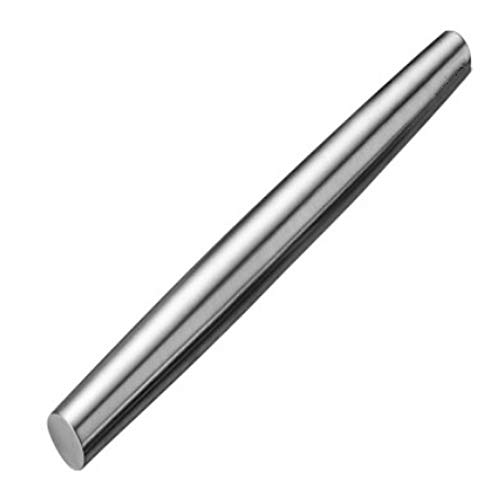
One-piece food-grade 304 stainless steel roller, resists stains & weird smells, great for long-term home baking.

Natural Marble: The hand-polished dough roller made by high-quality natural marble,the smooth surface and cool property offers non-stick rolling compared with a wooden rolling pin. Due to the natural color change of natural marble, each rolling pin has a unique color and pattern, which can perfectly decorate your kitchen.
Is a Marble Rolling Pin Worth the Extra Cost?
While marble rolling pins typically cost between $40 and $120, compared to $5 to $15 for wood, many bakers find the investment worthwhile. The heavier weight of marble makes rolling easier by utilizing your body weight, which reduces arm strain during extended use. Its naturally cool surface helps keep butter-based doughs firm and less sticky, speeding up the process. Additionally, the nylon ball bearings in many marble pins allow for smooth, continuous rolling, further reducing effort during baking tasks.
However, keep in mind that marble is more brittle than ceramic and can chip if dropped. Some higher-end models come with silicone grips on the handles, providing better control and comfort. For occasional baking, a wooden roller’s lower cost, lighter weight, and durability often make it the more practical choice. But if you bake frequently, especially pies or pastries, a marble rolling pin can enhance your experience—just be prepared for the higher price and the risk of breakage.

Distinctive Natural Marble Craftsmanship: The WORHE marble rolling pin measures 16.9 inches with an elegant white finish. The unique characteristics of natural marble ensure each rolling pin has a distinct pattern and color, adding a stylish touch to your kitchen. This dough roller features smooth wooden handles for a comfortable grip and includes a wooden base with anti-slip pads for convenient storage and protection

Rolling Pin:Food-Grade High Quality Silicone Rolling Pin,Non-Stick Surface Makes Rolling Dough And Clean Up Easy,Heat- Resistant,No Need To Flip The Handle,Abor-Saving,Even Holding In Long Time But Not Tired

Adjustable rolling pin evenly flattens dough to ensure uniform baking
Best Use Cases for a Marble Rolling Pin
A marble rolling pin truly shines when working with temperature-sensitive laminated pastries like puff pastry and croissants. The cool surface helps keep butter layers firm, preventing melting or smearing during rolling. This maintains the distinct flaky layers, resulting in better lamination. It’s also ideal for preparing butter-based pie crusts and tart shells, as its weight limits sticking and reduces the effort needed to roll out dough. The cool surface minimizes the need for excess flour, which can alter the dough’s texture. High-fat doughs, such as shortbread, benefit too, because they stay firm and maintain clean edges without excessive handling or flouring. For a broader comparison of top rolling pins, the buyer’s guide reviews quality, performance, and value to help you choose. Just as a marble pin prevents butter from melting, using a substitute bakeware can similarly preserve dough integrity when you lack a specialized pan. To keep your rolling pin clean after working with sticky dough, a silicone mat provides a non-stick surface that is easy to wipe down and resists baked-on residue.
Even for pasta and dense doughs, a marble rolling pin provides steady pressure and produces smooth, even sheets. When you’re creating decorative patterns or imprints, chilling the marble pin ensures crisp impressions without softening the dough. Opt for handle styles that offer a comfortable grip, whether straight or offset, to make rolling easier and more precise. In short, this rolling pin excels in tasks that require temperature control, firm consistency, and even pressure—making it a versatile tool for both lamination and high-fat doughs.

Durable Natural Marble – Crafted from solid marble for long-lasting use. Ideal for working with doughs, pastries, and fondant.
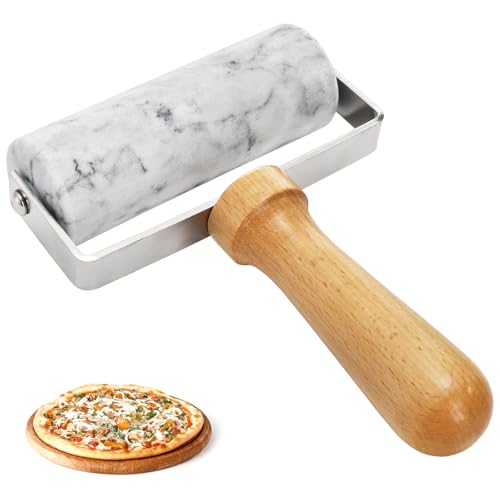
【Compact & Travel-Friendly Size】Hiceeden marble pizza dough roller measures 6.7” x 4.9” x 1.5”, fitting neatly in drawers or bags. Perfect for home bakers or pros seeking a pastry roller that combines functionality with space-saving design.

🍕【KITCHEN BAKING SUPPLIES】Mepple Marble Rolling Pin includes a crystal marble rolling pin, 3 multi-colored thickness rings and a solid wooden stand. Mepple Marble Rolling Pin is perfect for making pizza dough, pie crusts, bread, toast, and cookie doughs of even thickness and smoothness. A great choice for home use and gifts.
When a Wooden Rolling Pin Makes More Sense
A wooden rolling pin makes more sense for most everyday baking tasks because it maintains a near-room-temperature environment that keeps dough soft and pliable. Unlike marble or other materials, wood stays at a consistent temperature, which helps prevent dough from becoming too cold or stiff. Its natural texture provides a better grip, giving you more control during rolling. The slight flexibility in wood allows you to apply even pressure effortlessly, making it ideal for beginners and experienced bakers alike.
For sticky or delicate doughs, wood reduces slippage and offers a forgiving surface that minimizes tearing or sticking. With proper care—wiping after use and occasional oiling—an artisan-crafted wooden pin can last for decades. If it develops rough spots or wears down, you can always sand it smooth again. Its warm, natural appearance adds aesthetic charm to your kitchen, and since wood is a renewable resource, it represents a practical, eco-friendly choice for general-purpose baking rather than tasks requiring colder surfaces.
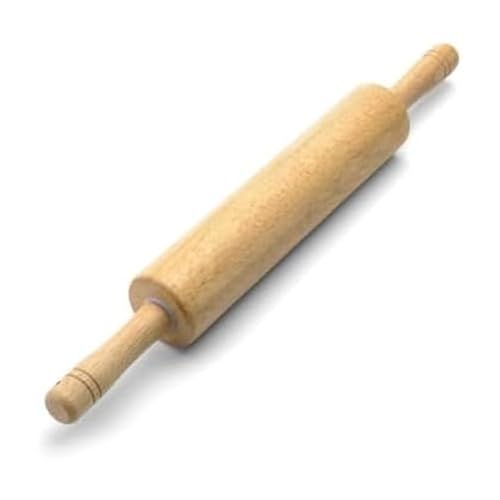
PREMIUM HARDWOOD CONSTRUCTION: Built from moisture-resistant hardwood that delivers a smooth, non-dragging rolling surface for consistent results every time; the 10-inch barrel and balanced weight distribution make rolling all types of dough effortless

FRENCH ROLLING PIN: French-style wooden rolling pin for precision baking; tapered design offers superior control for pizza, pie, and pastry dough

One piece barrel construction
Marble vs Wood: The Verdict for Your Kitchen
Marble is preferable for precise pastry work, while wood suits everyday baking needs better. Marble’s cool, non-porous surface helps keep butter-based doughs firm, reducing stickiness and making rolling easier. Its weight provides stability, requiring less effort during use, and it’s simple to clean because it doesn’t absorb stains or odors. However, marble can feel bulky and expensive, and it may crack or chip if mishandled.
Wood, on the other hand, is lighter and easier to maneuver, making it more practical for frequent use. It is typically more affordable and can be stored conveniently due to its compact form. Though it needs more care to prevent warping or cracking from moisture or heat, its natural warmth and classic feel offer a more connected, traditional baking experience. For daily versatility and budget-conscious choices, wood tends to be the go-to material.