
The research-based bakeware guide
Bakeware, measured honestly.
Buying a baking tool should not feel like a gamble. You want cookies that bake evenly, a mixer that does not quit halfway through bread dough, and a scale you can trust. We read the specs, the manuals and piles of verified owner reviews. Then we tell you, in plain words, which stand mixer, kitchen scale, silicone baking mat or oven glove fits your kitchen. And which one to skip.
- Built from specs and verified owner reviews
- No fake lab test claims, ever
- Plain picks for real home kitchens
Find your baking tool fast
The Pastry Case
Best baking tools, picked with care
Think of this shelf like the glass case at a good bakery. Only a few things make it in, and each one earns its spot. These six guides answer the questions home bakers ask most. Start with the tool that is giving you trouble right now.
Cookie day
No. 01
Silicone baking mats for cookies
A good mat stops sticking and spreads heat gently, so cookie bottoms brown evenly instead of scorching. The catch: bottoms often come out a touch paler than on bare metal. Many bakers love that. Some do not.
Good to know: match the mat to your pan. A half sheet mat is about 11.6 by 16.5 inches. Never cut on it with a knife.
Prep and proof
No. 02
Lids for mixing bowls
A loose tea towel lets bread dough dry out and form a crust. A snug lid keeps moisture in while the dough rises, and it keeps fridge smells out of your cookie dough. It also means fewer rolls of plastic wrap.
Good to know: measure across the outer rim of your bowl before you buy. Stretch lids forgive odd sizes. Fitted lids seal better.
Safety first
No. 03
Oven gloves that actually protect
Most oven burns happen on the wrist and forearm, not the palm. That little strip of skin brushes the rack when you reach for a heavy cast iron pan. Longer cuffs and a firm grip matter more than a pretty print.
Good to know: only use dry gloves. A damp glove turns to steam on a hot pan and passes heat to your skin fast.
Best value path
No. 04
Hamilton Beach mixers with a stand
Not ready to spend big on a stand mixer? These models let you mix hands free for a much smaller price. They suit cookies, cakes and frosting well. Very stiff bread dough is where budget motors start to strain.
Good to know: check the bowl size first. It decides how big a batch you can make in one go.
Keep it clean
No. 05
Covers for a KitchenAid mixer
Your mixer lives on the counter, right in the path of flour dust and kitchen grease. A cover keeps the head, vents and bowl clean between bakes. It also keeps a costly machine looking new for years.
Good to know: tilt-head and bowl-lift models have different shapes. A cover made for one may not fit the other.
Start here
No. 06
Food scales for baking
If you buy one tool this year, make it a scale. It fixes the most common baking mistake before it happens: too much flour. Put the bowl on, press tare, pour. Fewer cups to wash, too.
Good to know: look for 1 gram steps and a tare button. An 11 lb limit is plenty for most home baking.
How we pick
How we choose every baking tool, and why numbers come first
Picture two friends baking the same cookie recipe on the same day. One spoons flour gently into the cup. The other scoops it straight from the bag. Same cup. Same oven. One tray comes out soft and golden. The other comes out dry and puffy, and she has no idea why.
Nobody did anything wrong. The cup just hid the truth. That small story is the whole reason Bake Nook exists. Baking rewards real numbers, so every pick here starts with numbers too.
- We read the specs. Maker pages, manuals and warranty terms. Bowl size, heat rating, gram steps, pan gauge. The boring details that decide how a tool behaves.
- We study owner feedback. We look for patterns across verified buyer reviews. What breaks after six months? What fits a small oven? What do people wish they knew?
- We give a plain verdict. Who each tool suits, who should skip it, and what to check before you buy. No hype. No filler.
Our promise: we do not run a test kitchen, and we never pretend to. Our picks are research, done carefully and explained openly. When a product link earns us a small commission, that never changes the verdict.
Why we trust grams
One cup of all-purpose flour, three different weights
Typical figures published by baking references. A scooped cup can hide about 30 g of extra flour. That is close to an extra quarter cup in every cup the recipe calls for. Extra flour means dry cakes and cookies that refuse to spread.
9 of 10
scales in our food scale guide weigh in 1 gram steps
6 of 10
of those picks top out at 11 lb, plenty for home bakes
~30 g
of extra flour a scooped cup can hide
The Baker’s Bench
Bakeware guides, baking substitutes and care tips
Every bake has three moments. You choose the tool. You bake with it. Then you clean it and keep it working. Pick the moment you are in right now.
Choose
Bakeware basics and buying guides
Pans, racks, bowls and rolling pins, explained before you spend a cent. We cover sizes, materials and the small details that make a pan last.
Quick tip: measure your oven before buying sheet pans. A half sheet (about 18 by 13 inches) fits most home ovens. A full sheet usually does not.
Bake
Baking how-to and substitutes
Out of an ingredient halfway through a recipe? Not sure how to use a new tool? These guides get you unstuck quickly, with steps you can follow on the spot.
Quick tip: no buttermilk? Stir 1 tablespoon of lemon juice or white vinegar into 1 cup of milk. Wait 5 to 10 minutes, then use it.
Care
Cleaning, care and troubleshooting
Good bakeware can last for decades if you treat it kindly. Learn how to clean stubborn spots, stop rust and fix the problems that ruin a bake.
Quick tip: soak first, scrub second. A paste of baking soda and a little water lifts baked-on spots. Keep steel wool away from nonstick pans.
Fresh from the oven
Latest baking tool reviews and guides
The newest guides on the bench, still warm. Each card color tells you the zone: blueberry for buying guides, lemon for how-to, pistachio for care and raspberry for reviews.

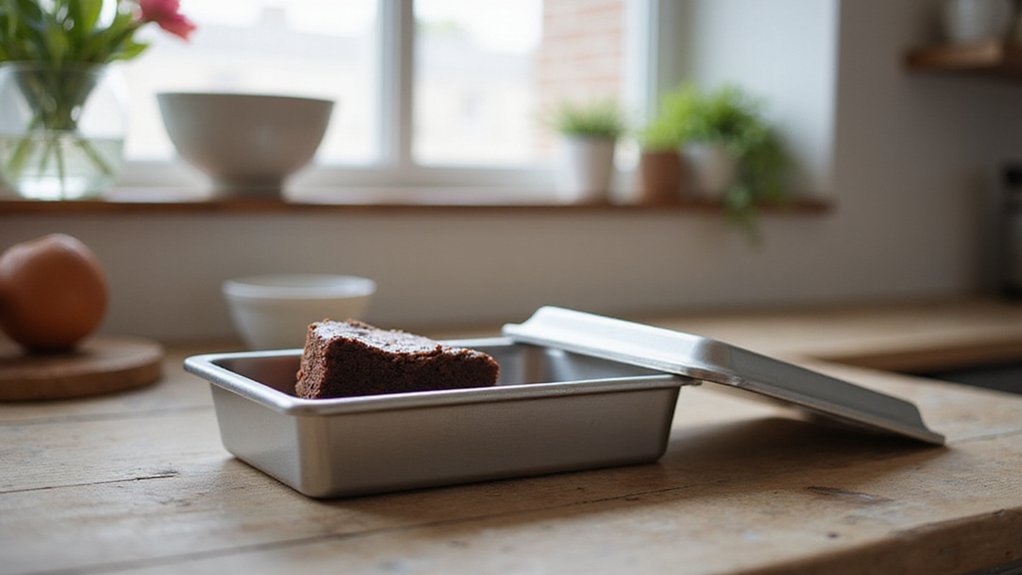
10 Best Cake Pans with Lids That Keep Every Layer Moist
Read the guide: 10 Best Cake Pans with Lids That Keep Every Layer MoistKeep your cakes bakery-fresh with lids that lock in moisture from oven to table.
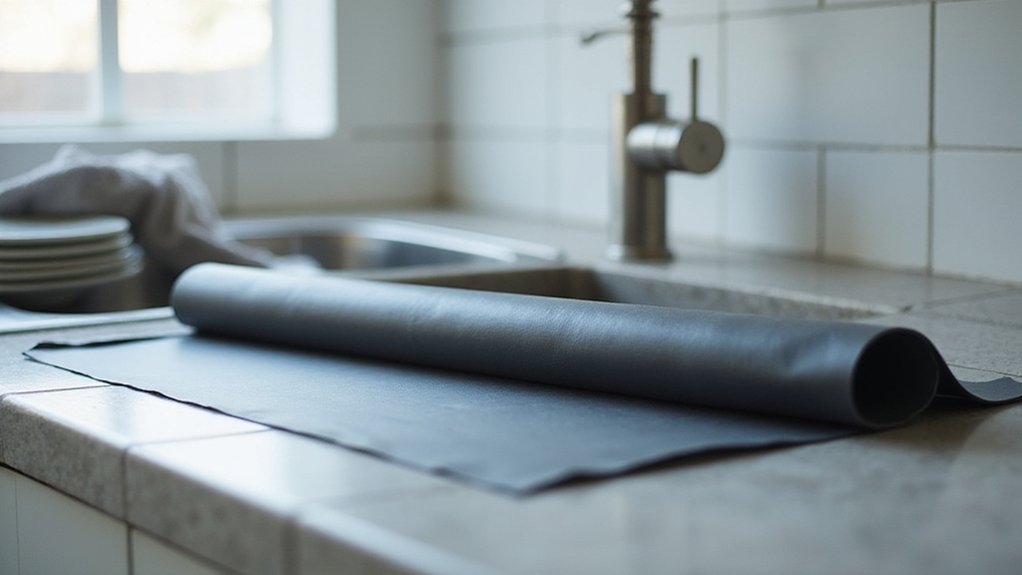
Are Silicone Baking Mat Dishwasher Safe? Safety and Care Explained
Read the guide: Are Silicone Baking Mat Dishwasher Safe? Safety and Care ExplainedMost silicone baking mats are dishwasher safe with care, but improper washing can ruin them.
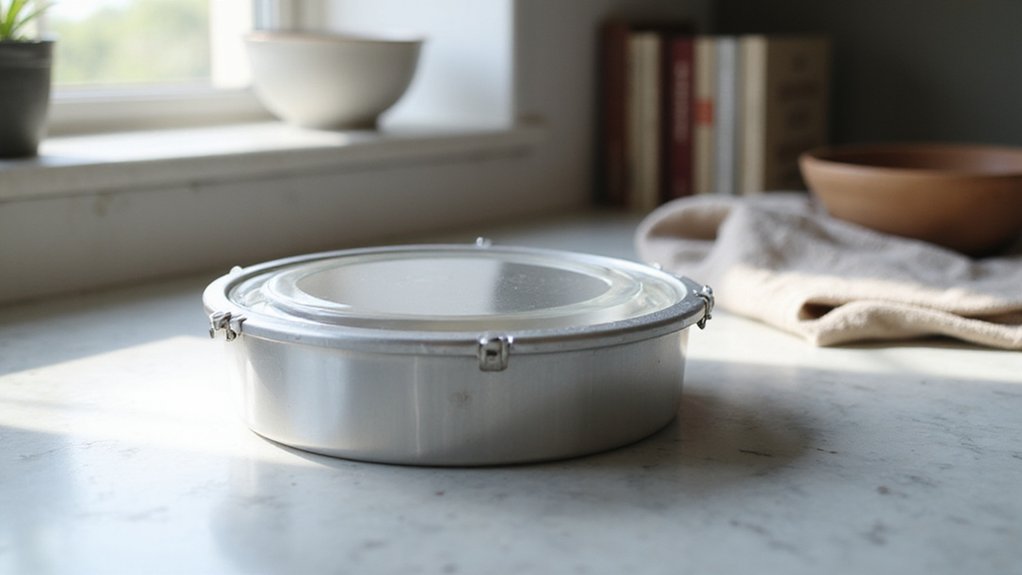
10 Best Cake Pans With Lids That Lock in Freshness Every Time
Read the guide: 10 Best Cake Pans With Lids That Lock in Freshness Every TimeDiscover 10 cake pans with locking lids that seal in freshness, bake evenly, and clean easily.
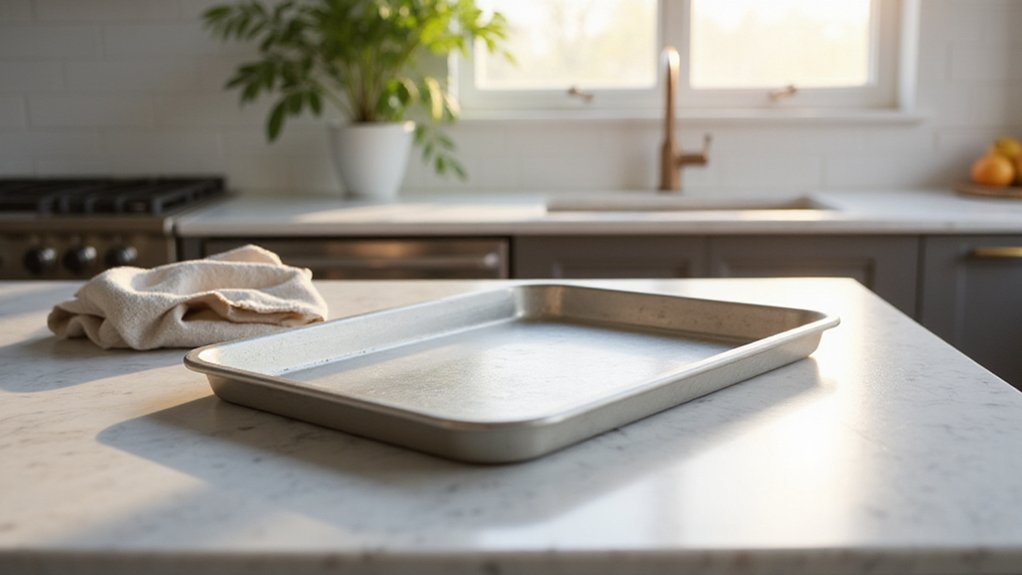
How to Clean Nordic Ware Baking Sheet: Easy Steps That Really Work
Read the guide: How to Clean Nordic Ware Baking Sheet: Easy Steps That Really WorkThe trick to a spotless Nordic Ware pan starts with the right cleaning method.
8 Best Stand Mixers That Knead Bread Dough Like a Pro
Read the guide: 8 Best Stand Mixers That Knead Bread Dough Like a ProGrab the eight best stand mixers powerful enough to knead stiff dough without trembling or burning out.
What Are Mixing Bowls? Explained in Plain English
Read the guide: What Are Mixing Bowls? Explained in Plain EnglishBasic mixing bowls are deep containers for stirring without spills—but their materials and sizes change everything.
Bake went wrong?
Common baking problems and the simple fix
We have all pulled a sad tray out of the oven. It stings a little. The good news: most baking fails come from a few small causes, and most of them are easy to fix next time.
Problem
Cookies spread into thin puddles
Why: the butter was too soft, the dough went onto a warm pan, or there was too little flour.
Try this: chill the dough for 30 minutes. Let pans cool between batches. Weigh your flour.
Problem
Your silicone mat feels sticky
Why: oils from butter and sprays soak into the surface over time and build a greasy film.
Try this: scrub with a baking soda paste and hot soapy water, rinse well and let it air dry.
Problem
Your sheet pan pops and warps
Why: thin metal bends when it heats or cools fast, like a hot pan under cold water.
Try this: let pans cool before washing. Next time, pick heavier aluminum with rolled rims.
Problem
The cake sticks to the pan
Why: the pan was not fully greased, or the cake came out while it was too hot or too cold.
Try this: grease, then add a parchment circle. Cool 10 to 15 minutes in the pan, then turn it out.