

If your aluminum baking sheet has gray or black stains, it can be tricky to clean thoroughly. The key is to start with a simple scrape and soak to loosen stuck-on grime, then use gentle scrubbing techniques.
For tougher marks, a baking soda paste can work wonders. Keep reading to find out the best way to restore your sheet’s shine.
Why Your Aluminum Baking Sheet Looks So Bad (and When to Clean It)?
Cleaning sooner is better because the effect of cleaning agents significantly influences your aluminum baking sheet’s appearance. Dishwasher detergents and high-heat washing can thicken the oxide layer, leading to uneven gray-black staining. To avoid these stains, wash your sheet promptly after each use, preventing grease from polymerizing into stubborn carbon deposits. If you notice sticky spots or dark streaks, it means you’ve waited too long and need to clean more thoroughly. For best results, use a roasting rack for roasting pan to elevate food and minimize direct contact with the sheet surface. Deep-clean when regular washing no longer removes a persistent gray film or chalky residue, especially in corners and edges—this signals it’s time to intervene before the buildup becomes more challenging to remove. For gentle yet effective cleaning, use a soft sponge and warm soapy water, just as you would for Silpat mats to protect the surface. To find the right cleaning approach for your specific needs, consider the top attachments for your mixer that help maintain a clean workspace.
What You’ll Need to Deep-Clean Your Aluminum Baking Sheet
To deep-clean your aluminum baking sheet, start by gathering warm water, mild dish soap, and clean towels. For scrubbing, use a soft sponge, a nylon pad, and a plastic brush for stubborn spots. A baking soda paste is essential for tackling aluminum oxidation—mix baking soda with a small amount of water until it forms a thick, spreadable paste. To remove tougher stains, incorporate cream of tartar or a bit of hydrogen peroxide into the baking soda mixture. Use white vinegar sparingly and briefly—long soaks can cause unwanted chemical reactions with aluminum and damage the surface. Avoid harsh abrasives, extended vinegar soaking, and dishwashers, as these can dull or pit the metal. After washing, thoroughly hand-dry your baking sheet to prevent spotting and preserve its finish. Keeping a small bowl, spray bottle, and sink plug handy can help streamline your cleaning process for best results.
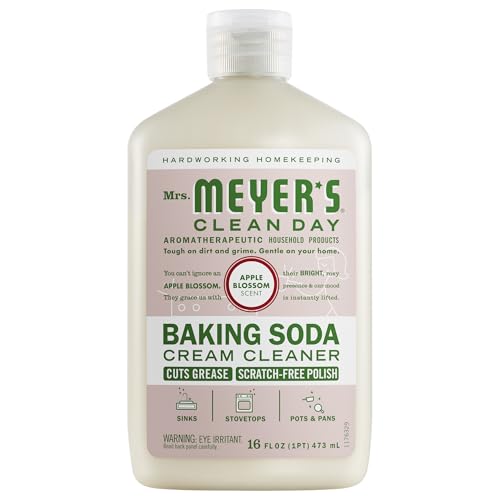
Mrs. Meyer's Baking Soda Cream Cleaner removes soap scum and grease build-up to make your kitchen sparkle

Mrs. Meyer's Baking Soda Cream Cleaner removes soap scum and grease build-up to make your kitchen sparkle

A HOUSEHOLD CLASSIC: This bulk 7 lb resealable bag of ARM & HAMMER Baking Soda unlocks 100+ uses across your home—from kitchens and laundry rooms to crafting tables and beyond
The 10-Minute Scrape-and-Soak Method for Light Grease
To effectively clean light grease and a few cooked-on bits, start with a quick scrape before adding water. Use a spatula or scraper to lift loose crumbs and soft residues without scratching the aluminum surface. This initial step removes the easiest buildup, reducing your soaking time and making the subsequent cleaning easier. A baking soda paste can also help lift stubborn residue without damaging the pan. Before soaking, verify your pan’s size using loaf pan measurements to ensure it fits comfortably under the faucet.
Next, fill your sheet with hot water and add a squirt of dish soap. Allow it to soak for about 10 minutes—this is enough to soften light grease so that your cleaning tools work more efficiently. After soaking, use a non-abrasive sponge and gently scrub in circular motions; the softened grease should lift off easily. If stubborn spots remain, give them another brief soak instead of applying more force. Rinse the sheet thoroughly with hot water and dry completely to prevent water spots. This combination of scraping and soaking ensures fast, safe removal of light grease from aluminum surfaces, though for delicate tasks like a springform pan dedicated cheesecake pans are better suited.
How to Make a Baking Soda Paste for Aluminum Stains
To make a baking soda paste for aluminum stains, mix 2 to 3 tablespoons of baking soda with just enough water to create a thick, toothpaste-like consistency. This spreadable paste adheres better to the surface than a runny slurry, allowing for longer contact with dark stains. Apply the paste directly to the stained areas using a non-abrasive sponge or soft cloth. Work in gentle circular motions to lift oxidation without scratching the soft aluminum. Let the paste sit for 10 to 15 minutes for light marks or up to 30 to 45 minutes for more stubborn discoloration. If the paste dries out, re-wet it slightly before scrubbing. After the waiting period, gently scrub with a nylon pad and rinse thoroughly with warm water. Dry completely to prevent water spots and check for any remaining stains. For precise ingredient ratios, consider using a top rated food scale to ensure consistent results.
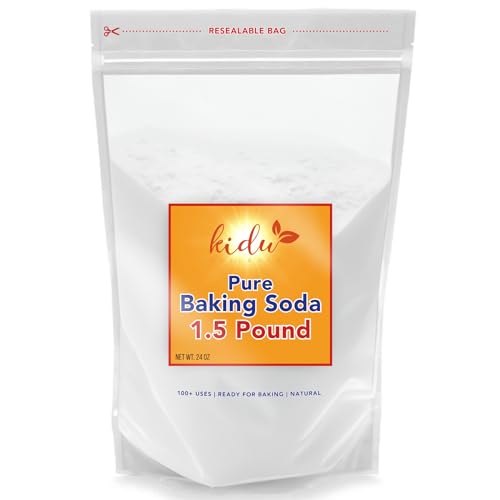
Baking: Baking soda also known as bicarbonate of soda is a leavening agent, which means that it reacts with an acid to produce carbon dioxide gas. This gas causes baked goods to rise and become light and fluffy. Baking soda is commonly used in recipes for breads, cakes, muffins, and cookies.

PURE BAKING SODA: 100% pure baking soda without aluminum, additives, or preservatives. Ideal for those seeking natural baking soda for various uses.
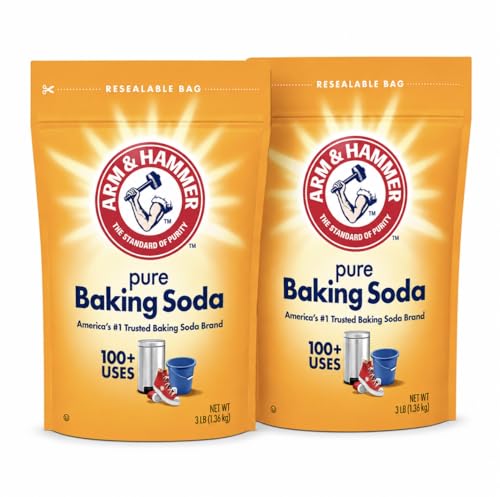
Pure Baking Soda: This 3-pound bag contains 100% pure sodium bicarbonate, providing a versatile household essential that serves multiple purposes from your kitchen to your cleaning routine without any additives or fillers
Use Hydrogen Peroxide for Stubborn Discoloration
Hydrogen peroxide can effectively remove stubborn discoloration on your aluminum baking sheet when baking soda paste isn’t enough. Use a solution diluted to between 3% and 10% to prevent over-oxidizing your pan. Dip a soft cloth or sponge into the diluted peroxide, then gently wipe the dull, discolored areas. Allow it to sit briefly to break down surface oxidation, but avoid leaving it on too long, as overexposure may worsen the discoloration or cause pitting corrosion—especially if tap water’s chloride is present. Rinse the baking sheet thoroughly with clean water immediately after the stain has lifted. Dry it with a soft towel to prevent water spots. For persistent marks, mix a paste of hydrogen peroxide and baking soda as a spot treatment. Always test a hidden area first if you’re unsure about your pan’s finish. Keep in mind that this method is most effective on tarnish and not on burnt-on buildup.
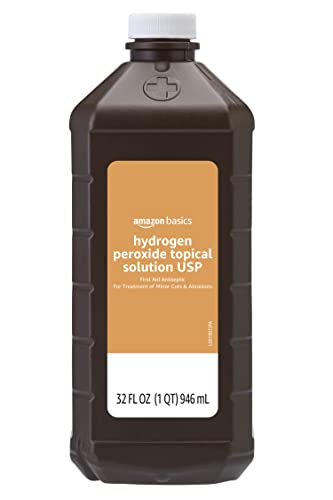
First aid antiseptic (32 fluid ounces); helps prevent the risk of infection from minor cuts, scrapes, and burns

First aid antiseptic (6-pack, 32 fluid ounces each); helps prevent the risk of infection from minor cuts, scrapes, and burns

Bubbling Action Visibly Removes Debris: A cleaning and disinfecting solution that works with an included special lens case to activate a bubbling cleaning action. This visible bubbling process lifts away dirt and particles, helping your lenses so fresh, they feel like new
How to Scrub Hard Without Scratching Your Sheet
To scrub your aluminum baking sheet hard without scratching it, start by softening any stubborn residue. Soak the sheet in warm, soapy water for 10 to 20 minutes; for heavy buildup, soak up to an hour. This loosens baked-on grease and food, making gentle cleaning more effective. After soaking, use a soft sponge, microfiber cloth, or nylon brush to scrub. Apply gentle circular motions—this lifts stuck-on bits without grinding them into the metal. Avoid steel wool and harsh scouring pads, as they can leave permanent scratches. For tougher spots, make a paste of baking soda and water, then scrub lightly with your chosen gentle tool. Press firmly but use short, repeated passes rather than a single heavy drag. Protect your sheet’s factory finishes by steering clear of metal tools and acidic soaks, just as you would avoid using harsh abrasives on an angel food cake pan. For particularly stubborn residue, try using a commercial oven cleaner designed specifically for baked-on grease. Patience, combined with the right gentle tools and prep, ensures your aluminum sheet remains scratch-free and in good shape. For optimal cleaning without a precise measuring tool, you can gauge a proper water temperature by bringing water to a boil and then letting it rest for thirty seconds.

Natural aluminum commercial bakeware is made of pure aluminum which will never rust for a lifetime of durability

Easy Release Design: The nonstick coating ensures cakes slide out smoothly without sticking to the sides. This feature simplifies the removal process and allows for quick cleaning with warm soapy water and a soft sponge, saving you time and effort in the kitchen after baking sessions.

Seamless One-Piece Construction – Unlike removable-bottom pans that leak or trap batter, this XZJMY cake pan is stamped from a single sheet of aluminum with zero joints or crevices. it delivers flawless results for water-bath cheesecakes and custard tarts.
Rinse and Dry for a Spot-Free Finish
Rinsing and drying correctly are essential for a spot-free finish on your sheet. After scrubbing without scratching, rinse thoroughly under warm running water to remove every trace of soap or paste. If you notice any residue after rinsing, repeat the process—skipping this step can lead to stubborn spots later. Dry immediately with a lint-free microfiber cloth or paper towel, gently blotting to avoid marking the soft aluminum. Do not let the sheet air-dry, as this can cause hard-water mineral spots to form. For stubborn mineral streaks, wipe with a cloth dampened in vinegar, then rinse and dry again thoroughly. Make sure to check all corners and edges, as pooling moisture there can lead to new spots. Proper rinsing and immediate drying will help maintain your sheet’s shine over time, especially when done consistently after each cleaning session. For similar care on other bakeware, baked-on residue often requires a paste soak to lift stubborn spots. To keep it looking new, avoid using harsh abrasive scouring pads that can scratch the aluminum surface. Using specific baking soda and hydrogen peroxide is one of the effective methods to lift stubborn baked-on residue without damaging the metal.
3 Daily Habits That Prevent Baked-On Grease
Lining your baking sheets with parchment paper or a silicone baking mat is the most effective way to prevent baked-on grease. This simple step creates a barrier between the food and the metal surface, stopping grease from bonding directly to the sheet. It also makes cleanup faster and reduces the need for harsh scrubbing later. Make sure the lining covers the entire surface and edges of the sheet for maximum protection. Replacing the parchment or silicone mat regularly ensures it remains effective and prevents buildup of baked-on residue. For those who also protect their kitchen tools, using a KitchenAid mixer cover can shield your appliance from dust and grease in a similar way.