

Ever wonder what to use instead of a baking sheet when you’re out of luck or looking for a different cooking option? There are surprisingly good alternatives like aluminum foil, parchment paper, cast iron skillets, or glass dishes, each with their own quirks.
Knowing how to adapt and what to watch out for can keep your baking on track without missing a beat. Keep reading to learn all the tips and tricks for making these swaps work for you.
Can You Swap a Baking Sheet for Aluminum Foil or Parchment Paper?
Aluminum foil and parchment paper can often replace a baking sheet, but neither is a perfect one-to-one substitute. Your choice depends on the specific cooking task and material compatibility. Aluminum foil conducts heat strongly, making it well-suited for roasting vegetables or broiling, but you’ll usually need to grease it to prevent sticking. Parchment paper provides a nonstick surface, ideal for cookies and pastries, though it isn’t as moisture-resistant and may not handle very wet, heavy drips well. Foil is excellent for catching spills and standing up to high temperatures, while parchment offers cleaner, easier release without extra oil. To avoid a sticky mess or uneven results, always match your liner to your recipe’s needs. For baked-on residue that proves stubborn, many cooks turn to Silpat mats for their long-lasting nonstick performance and simple cleaning routine. For a handmade approach, you might consider constructing your own durable oven mitts and potholders using thick layers of insulating fabric.
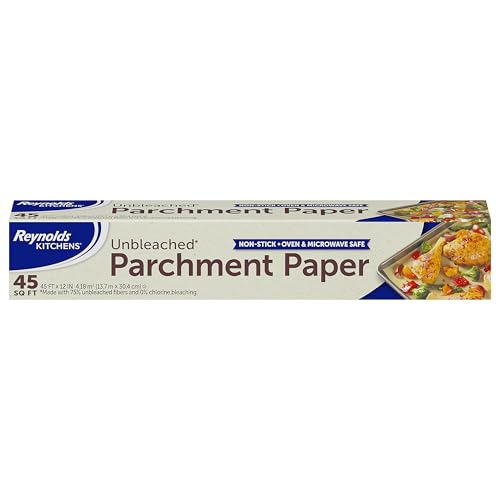
Package Includes: One (1) Reynolds Kitchens Unbleached Parchment Paper Roll measuring 45 feet long by 12 inches wide (45 square feet total)
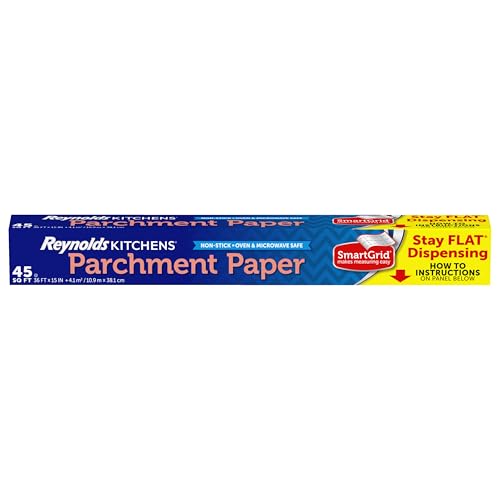
Package Includes: One (1) Reynolds Kitchens Stay Flat Parchment Paper Roll measuring 36 feet long by 15 inches wide (45 square feet total)

SHIPMENT CONTAINS: 90 square feet of parchment paper, 24 yards x 15 inches per roll for all your baking needs
What Safety Checks Do You Need Before Using Any Substitute?
Before using any substitute, always perform safety checks to prevent accidents or failures. Start by verifying oven safety: look for an oven-safe symbol or a stamped temperature rating on the bottom, handle, or packaging. If markings are missing, don’t take a chance—absence of labeling means you cannot confirm heat resistance. Next, carefully examine the entire build of the substitute. Plastic, wood, or removable handles are generally unsafe unless explicitly rated for oven use. Check lids and nonstick coatings separately, as they often have lower heat limits and can degrade or emit harmful fumes if exposed to high temperatures. For inspiration on reliable kitchen tools, consider how attachments like the KitchenAid mixer demonstrate the importance of selecting purpose-built equipment for safe and effective use. Similarly, dedicated grain mill attachments are purpose-engineered for their task, highlighting why substitutes for any kitchen job require thorough scrutiny. When choosing a substitute, prioritize materials that have been evaluated specifically for quality and performance to ensure they can withstand high heat without failure.
Perform material testing by matching your substitute to the expected heat exposure. Materials like stainless steel and cast iron are suitable for high heat, but glass and ceramic require clear manufacturer temperature limits. Always inspect for physical damage such as cracks, chips, or warping, which can compromise integrity during heating. If uncertain, conduct a cautious test at low heat, monitor for any strange odors or distortion, and only increase temperature once you’re confident of safety.
Can a Disposable Aluminum Pan Actually Bake Cookies?
A disposable aluminum pan can indeed be used to bake cookies, but there are important considerations for best results. Place the pan on a sturdy baking sheet to prevent warping during baking. Keep an eye on your first batch, as the bottoms tend to brown faster than you might expect—this can produce crisp cookies but also increase the risk of burning. Heavy-duty aluminum pans outperform flimsy foil trays by offering more structural stability and consistent heat transfer, and these trays feature a full curl rim for increased sturdiness and durability. Position the pan on the middle rack to avoid excessive heat from the oven’s bottom heating element, which can cause uneven baking. For a neat, long-lasting result, you can also reinforce the pan’s edges by using duct tape to seal any gaps or weak points. You may need to adjust your oven temperature slightly to accommodate the pan’s heat conduction. With these tips, a disposable aluminum pan can be a convenient and effective option for baking cookies.

【Product Dimensions】 8"D x 8"W x 1.5"H. (The outermost dimension 9"x9")


Heavy Duty & Durable – Made from lightweight, thicken and premium aluminum foil, equip with superior heat conductivity for even baking, roasting & reheating. These aluminum pans are sturdy and resist bending, warping, and leaks, ideal for juicy meats, saucy casseroles, and messy BBQ dishes. Our foil tray can meet any culinary need with ease
Why Cast Iron and Stainless Steel Skillets Outperform Flimsy Pans
Cast iron and stainless steel skillets outperform flimsy pans because their substantial construction offers superior heat retention, durability, and even cooking. These heavy-duty pans resist warping and can tolerate high temperatures without bending or cracking. Their dense thermal mass ensures they hold heat longer, which leads to more consistent baking and browning—crucial for evenly cooked biscuits, cookies, and roasted vegetables. Unlike thin pans that quickly lose heat and create uneven temperatures, cast iron and stainless steel distribute heat slowly and evenly, preventing hot spots that can scorch your food. Additionally, their thicker design absorbs thermal shock, so they won’t warp or make loud popping sounds as they expand with heat. Over time, these pans maintain their flatness and performance, making them a reliable upgrade that can last for years.


Reliable Heat Resistance: Designed for skillets 9 inches and larger, the Lodge Silicone Hot Handle Holder delivers a secure grip on hot cookware with heat resistance up to 500°F

Seasoned with oil for a natural, easy-release finish that improves with use
How to Use Glass or Ceramic Dishes When You’re Out of Baking Sheets
You can successfully bake with oven-safe glass or ceramic dishes when you’re out of baking sheets, but a few rules are essential. First, always verify that your dish is labeled oven-safe and check its maximum temperature limit. Most glass dishes can handle up to 400°F or 425°F, while ceramic ones often tolerate up to 500°F. Before placing the dish in the oven, make sure it is at room temperature; avoid putting a cold dish directly into heat to prevent thermal shock. Unlike a standard metal pan, glass or ceramic dishes lack the tall, tube-shaped center found in an angel food cake pan, which helps batter climb without sticking. For long-term care, you can store these dishes alongside your mixer attachments in a dedicated storage organizer to keep everything accessible and scratch-free.
Inspect your dish for chips or cracks beforehand. When ready to bake, place it into a preheated oven gently—never into a cold oven or onto a cold surface. After baking, let the dish cool gradually on a dry rack rather than on a cold or wet surface. These dishes work well for casseroles, brownies, and roasted vegetables. Store them alongside your other baking accessories for quick access. Avoid using them under the broiler unless the manufacturer specifically says it is safe, as excessive direct heat can cause damage. Regular maintenance, like checking for wear, can prevent a loose bowl from causing similar issues.

FREEZER-TO-OVEN: Thermal shock-resistant borosilicate glass allows this baking dish to go from the freezer directly to the oven without cracking. Ideal for meal prep, potlucks, entertaining, and convenient for everyday cooking and storage needs.
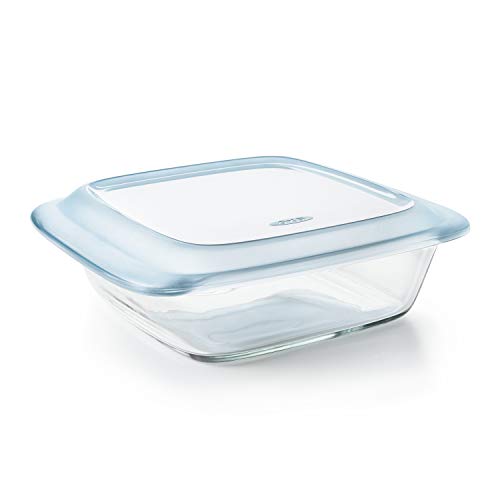
Strong, borosilicate glass construction for freezer to oven use Withstands extreme temperature changes without the risk of cracking or shattering
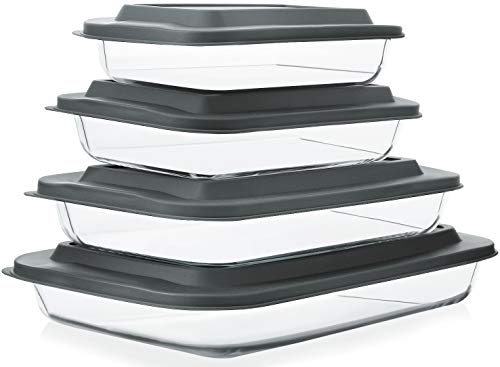
PREMIUM LARGE BAKING PAN SET: Our baking dishes are made of borosilicate glass, can be used in microwave, oven, freezer and dishwasher
Glass vs. Metal: Why Cooking Times Change With Oven-Safe Dishes
Because metal pans conduct heat faster than glass, your food will start cooking and browning sooner in metal. Glass heats up more slowly, so you’ll typically need to lower your oven temperature by about 25°F and extend the baking time by 5 to 15 minutes. This delay occurs regardless of pan size; a glass dish won’t match the speed of a metal one even if they are the same dimensions.
When adapting recipes, remember that metal pans tend to finish earlier, so check for doneness earlier when switching from glass. Conversely, if a recipe was developed with metal in mind, do not assume glass will cook on the same schedule. Glass retains heat longer, which can lead to carryover cooking even after removing it from the oven. This makes it ideal for custards and casseroles that benefit from gentle, even heat but can cause cakes to brown unevenly without temperature adjustments. Always rely on visual cues—such as browning and texture—over time indications to determine when your dish is ready.
Use What You Own: Silicone Mats and Pizza Stones as Last Resorts
Silicone mats and pizza stones each serve as effective last-resort surfaces for baking, but they excel at different tasks. Silicone mats are highly versatile and ideal for cookies, pastries, or roasted vegetables. Simply place the mat on a sturdy pan—never directly on bare racks—and keep oven temperatures under 480°F to prevent damage. They eliminate the need for greasing and make cleanup quick, but avoid using them under broilers or with sharp instruments that could puncture the material. To keep them looking new, a paste of baking soda lifts baked-on residue without scratching the surface. For more ornate work, you can refer to a piping tips chart to select the right nozzle for frosting designs. For the best cookie results, silicone baking mats provide a perfectly non-stick, evenly heated surface that avoids spreading issues common with greased pans.
Pizza stones, on the other hand, are best suited for creating crusty breads or flatbreads. Fully preheat the stone for at least 30 minutes to allow it to build thermal mass, then bake directly on its surface for a crispy crust. They perform poorly with delicate, release-heavy items, which stick or break apart more easily. Match the tool to your recipe’s heat requirements: stones prefer high temperatures above 500°F, while silicone mats can handle lower heat settings safely. Using the right surface in the right situation ensures your baking turns out just right, even when options are limited.

Easy Cleanup: The surface helps reduce baked-on residue, and the mats can go in the dishwasher once cool for convenient cleanup between batches
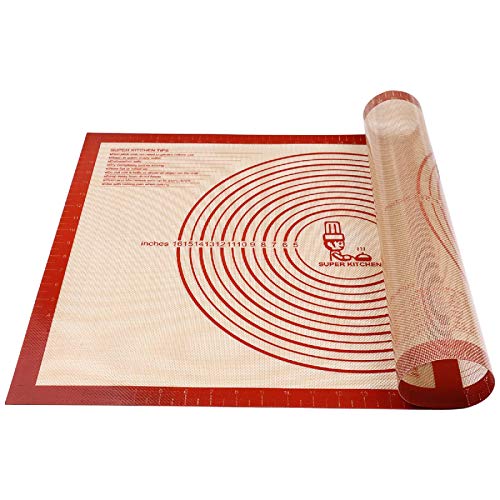
Premium Safe Silicone:We attach great importance to the health of our customers.So we offer the premium food grade silicone to pretect your safe.

Premium Silicone Bakig Mat: Our kitchen baking mat is crafted with 100% food grade silicone. With 0.7mm thickness reinforced design (2x thicker than standard 0.3mm mats) can withstand daily kneading sourdough, rolling pizza dough, and shaping sticky fondant without warping or degradation
Which Baking Tasks Work Best Without a Baking Sheet?
Many baking tasks can be successfully completed without a traditional baking sheet by using other common cookware. For cookies and small drop bakes, a cast iron skillet or muffin tin works well when placed directly on the oven rack, providing a sturdy surface that heats evenly. Roasting vegetables benefits from a shallow oven-safe dish or shaped heavy-duty foil, which allows you to cut pieces uniformly for even cooking. Flatbreads and biscuits thrive on a preheated pizza stone or in a Dutch oven, where the strong bottom heat creates crispness and helps them rise properly. For individual portions like muffins and cobblers, standard casserole dishes or pie plates serve as excellent options without needing a flat surface. Even bread can be baked in a loaf pan or Dutch oven, where enclosed heat helps retain moisture and supports a good crust. Understanding your 8 inch pan dimensions ensures you can substitute it for a baking sheet in recipes that require precise surface area. Focusing on these alternatives means you can skip the baking sheet for many common tasks while still achieving great results. To ensure accurate ingredient portions for these alternative methods, a digital kitchen scale provides consistent measurements for perfect cooking results.
Never Use These 5 “safe” Kitchen Items in the Oven
Plastic containers are never safe to put in the oven. They melt quickly and release harmful fumes, even if they are labeled as heat-resistant. If you see plastic, avoid using it for baking or roasting. Stick to oven-safe cookware made from materials like glass, metal, or ceramic. Checking for a visible oven-safe mark and temperature rating is essential before placing any container in the oven to prevent fire hazards or health risks.