

Wondering if your Pyrex measuring cup is safe to use in the microwave? The good news is that most Pyrex measuring cups are microwave safe.
But it’s always best to check for a microwave-safe symbol on the bottom before heating.
To keep your cup in top shape, avoid microwaving empty or damaged pieces.
Keep reading for essential tips on handling and safety.
The Short Answer: Most Pyrex Measuring Cups Are Microwave Safe
Most Pyrex measuring cups are microwave safe, but you should follow some key precautions to ensure safe use. The tempered glass handles heat well, allowing you to reheat liquids or melt ingredients directly in the cup. However, note that your cup’s glass formula may differ from older versions, which could influence its heat tolerance. Vintage cups with printed designs might not handle microwaving as reliably as modern, clear ones. Always let the cup cool to room temperature before microwaving and avoid heating it while empty. Use short heating intervals to prevent overheating and minimize boil-overs or hot spots. Before microwaving, inspect the cup for chips or cracks, and place it on a stable surface. For similar glassware, always check the manufacturer’s stated heat and material limits to avoid thermal shock. Proper care will help keep your Pyrex measuring cup safe for regular microwave use. Choosing a Wilton piping tip for icing projects requires matching its shape to your desired design, much like selecting the correct cup for heating tasks. For precise ingredient amounts, you can use household items like spoons or cups as a substitute for a scale.
How to Check Your Pyrex Cup for the Microwave-Safe Marking
To check if your Pyrex cup is microwave-safe, look for the specific marking on its bottom. Flip the cup over and examine the stamp underneath. Manufacturers typically print a small microwave icon, which looks like a microwave oven, or three wavy lines inside a square. These symbols indicate microwave safety. You may also see text such as “microwave safe” printed nearby on newer pieces. Be careful not to confuse “oven safe” with microwave-safe labels since they are not always interchangeable. If you have a vintage Pyrex cup, it might not have any marking at all, which means its microwave safety is unverified. Modern Pyrex cups usually include clear symbols or language confirming their suitability for microwave use. For example, while Pyrex measuring cups are generally considered safe for the microwave, they are not recommended for dishwasher use as the harsh environment can damage the glass over time. If you don’t see any symbol on the bottom, check the packaging or the product listing online for confirmation. A blank bottom suggests caution, as safety isn’t guaranteed without visible markings. For those seeking precision, a top rated food scale also requires similar scrutiny of its material and performance markings. Made of high-quality tempered glass, these cups are also designed to resist odors, flavors, and stains. For buyers looking for other durable kitchen tools, a stainless steel bowl mixer offers similar quality and performance considerations.
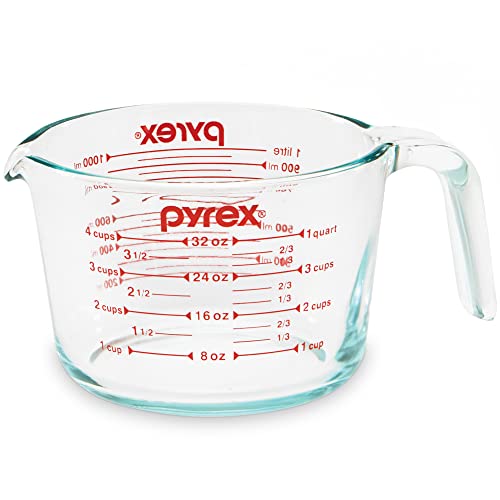
ESSENTIAL KITCHEN TOOL: 4-cup measuring cups that are perfect for baking, cooking, mixing and more!

ESSENTIAL KITCHEN TOOL: 2 piece set includes 1-cup, and 2-cup, measuring cups that are perfect for baking, cooking, mixing and more!
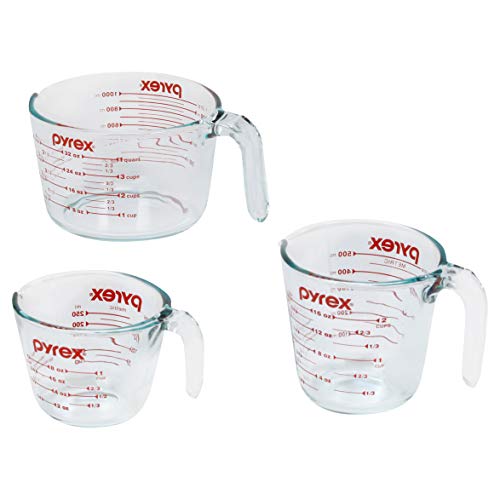
3-PIECE: Includes 1-cup, 2-cup, and 4-cup measuring cups that are perfect for baking, cooking, mixing and more. Dimensions for 1 cup: 6'' diameter x 4.5'' high. Dimensions for 2 cup: 6.5'' diameter x 4.5'' high. Dimensions for 4 cup: 8'' diameter x 6'' high.
What “Microwave Safe” Means for Your Pyrex Measuring Cup
“Microwave safe” means that your Pyrex measuring cup’s material composition has been tested and approved by the manufacturer for normal household microwave use. It indicates the cup can handle microwave energy without melting or cracking under typical conditions. You can safely reheat liquids like water, milk, or sauces in it. However, the label doesn’t mean you can heat it with no precautions. You should avoid heating the cup when it’s empty or with very small amounts of food or liquid, as uneven heating might cause damage. Also, refrain from microwaving popcorn or overheated butter, since these can create unsafe conditions or damage the cup. For best results, use gentle cleaning methods to remove baked-on residue without scratching the glass.
Thermal Shock, Not the Microwave, Is What Breaks Pyrex
Thermal shock is what causes Pyrex to break, not the microwave itself. When you heat or cool the glass too quickly, it creates internal stress that leads to cracking. Modern U.S. Pyrex is made from tempered soda-lime glass, which has a lower resistance to thermal shock compared to older borosilicate versions. This means uneven heating—like microwaving a cold cup or pouring boiling liquid into a cold one—can induce rapid temperature changes. These abrupt shifts cause different parts of the glass to expand or contract at different rates, generating internal tension. Over time, or with enough sudden stress, the glass will fracture. To prevent this, always let your glassware warm gradually and avoid pouring hot liquids into chilled cups. Remember, the danger lies in rapid temperature change, not in microwaving. Handle your Pyrex carefully, and it will last longer.
5 Ways Sudden Temperature Shifts Can Crack Your Pyrex Cup
Rapid temperature changes can cause your Pyrex cup to crack due to thermal shock. The most common scenarios include hot cups meeting cold surfaces, pouring boiling liquid into a chilled cup, moving the cup directly from freezer to oven, placing a microwaved cup on a cold surface, or uneven microwaving.
When a hot cup contacts a cold, wet countertop, the outer walls contract quickly, stressing the glass. Pouring boiling liquid into a cold, pre-chilled cup causes uneven expansion inside, putting strain on the walls. Moving your cup straight from the freezer into a hot oven exposes it to a large temperature difference in a short time, increasing fracture risk. Placing a microwaved cup on a cold surface cools the base rapidly, creating internal stresses. Uneven microwaving creates hot spots that expand unevenly, also risking cracks. Using a cheesecake pan with proper heat distribution can help avoid similar thermal shock in baking. For even more reliable performance, consider a baking sheet pan with rack to promote consistent airflow and temperature control.
Always allow your Pyrex to adjust gradually to temperature changes. Sudden shifts surpass the glass’s ability to expand and contract evenly, especially if manufacturing defects like tiny bubbles or stress points are present. Proper handling helps preserve the integrity of your glassware. For consistently reliable temperature management, using a food scale for measuring ingredients can help avoid unnecessary heating steps that cause sudden temperature shifts.

Non-porous glass won't absorb stains or odors. The dimension of each product is - 4.2in x 4.2in & each product weight's 1.42 lbs.

Included: (1) Pyrex 6001075 2 Cup Clear Glass Measuring Cup – Made in the USA

PREVIOUSLY AMAZONCOMMERCIAL BRAND: Previously AmazonCommercial brand, now Amazon Basics. Packaging may vary but item and quality remain the same
How to Safely Heat Liquids in a Pyrex Measuring Cup
When heating liquids in a Pyrex measuring cup, always start with a room-temperature cup to prevent sudden thermal shock. Add your liquid before microwaving and leave headspace for expansion to avoid spills or breakage. Using a vented cover helps release steam safely, reducing the risk of pressure buildup.
Employ proper heating techniques by microwaving in short intervals—typically 20 to 30 seconds at a time—stirring between each burst. This distributes heat evenly and prevents hot spots that can cause the glass to crack or the liquid to boil over. Use lower power settings for gentle heating, especially if you’re warming delicate liquids like milk or creams.
Always check that your Pyrex measuring cup is labeled microwave-safe, as some older or specialty glassware may not be suitable. When removing the hot cup from the microwave, use oven mitts to protect your hands. Place it on a room-temperature surface to avoid thermal shock that could cause the glass to shatter. Before each use, inspect the cup for chips or cracks and discard if damaged. Avoid heating damaged glassware, as it’s more prone to breaking under heat. Similarly, KitchenAid mixer attachments often require careful handling to maintain their durability and performance. Following a similar principle, achieving the best results from kitchen appliances depends on consistent care routines for their components.
After heating, stir the liquid again to eliminate hot spots and allow it to settle briefly before pouring. This ensures the temperature is uniform and reduces the chance of sudden boiling or splattering.

Food Flavors Or Food Stains. The dimension of this product is 4in x 3.2in & weight is 1 lbs.

Four Precise Measurement Units for Universal Cooking: This 500 ml glass measuring cup is designed with four highly accurate and easy-to-read measurement scales—milliliters (ml), ounces (oz), cups, and deciliters (dl)—making it the ideal tool for both American and international recipes. Whether you're following a U.S. baking recipe, a European sauce formula, or metric-based meal prep, this cup ensures precise, reliable measurements every time

Food Flavors Or Food Stains
Can You Microwave an Empty Pyrex Cup? No: Here’s Why
You should never microwave an empty Pyrex measuring cup. Without any liquid or food inside, the glass absorbs microwave energy unevenly, resulting in hotspots that can cause the glass to crack or break. This uneven heating creates thermal shock, which stresses the material and can lead to damage or even injuries. Pyrex glass is designed to handle thermal changes when it contains liquid or food that acts as a heat buffer. Heating it dry in the microwave removes this safety net, increasing the risk of damaging the vessel. Always add a small amount of liquid before microwaving to ensure safe and even heating.
What to Do If Your Pyrex Cup Is Old, Cracked, or Unlabeled
If your Pyrex cup is old, cracked, or unlabeled, it should not be used in the microwave. Visible damage such as chips or scratches can weaken the glass, increasing the risk of breaking or shattering under heat. Relying solely on the appearance or brand reliability isn’t enough—if there is any damage or the label is missing, it’s safer to avoid microwave heating. Use the cup only for measuring, mixing, or serving cold ingredients. Before heating liquids, transfer them to a clearly labeled, microwave-safe container. If you’re unsure whether the cup is microwave safe—especially if it lacks a microwave-safe mark or its history is unknown—the safest option is to replace it. Current Pyrex products come with a two-year warranty, but this does not cover damage like cracks or chips. Damaged or unlabeled cups should be retired from heat exposure completely. Keep them for non-heating tasks or discard them if they’re compromised.

ACCURATE 12OZ MEASUREMENT MARKINGS: Features easy-to-read liquid ounce scales, perfect for consistently brewing espresso shots and achieving the ideal milk-to-coffee ratio. Holds double shots and larger servings, making it essential for home baristas and professional settings.

Borosilicate glass is shatter-resistant

Decorated measuring cup that is perfect for your mix and prep kitchen needs
How to Clean, Cool, and Store Your Pyrex Cup Safely
To keep your Pyrex cup in top condition, it’s essential to follow proper cleaning, cooling, and storage practices. First, ensure the cup is free from damage and hasn’t been exposed to sudden heat shocks. Once verified safe, allow the cup to cool completely to room temperature before cleaning to prevent thermal stress. Soak the cup in warm, soapy water and use a non-abrasive cleanser with a nylon scouring pad to gently remove residue without scratching the surface. Avoid harsh abrasives that can weaken the glass over time.
If you prefer to use a dishwasher, place the Pyrex on the top rack away from heating elements to minimize exposure to high heat and direct steam. This helps maintain the integrity of the glass and preserves its clarity. After cleaning, dry the cup thoroughly—pay particular attention to the lip and handle areas—to prevent water spots and ensure no moisture leads to potential cracking.
For cooling, always let the Pyrex cup return to ambient temperature gradually. Do not plunge a hot cup into cold water or set it on a cold surface, as sudden temperature changes can cause thermal shock, leading to cracks or breakage. When storing, keep your Pyrex in a cool, dry place away from direct sunlight and heat sources. If stacking multiple cups, place a soft cloth or paper towel between them to avoid scratches and chipping, ensuring your kitchenware remains pristine and functional for years to come.
When to Replace Your Pyrex Measuring Cup for Safety
You should replace your Pyrex measuring cup immediately if you notice any chip, crack, or deep scratch, especially around the rim where stress concentrates during pouring. These damages can weaken the glass and increase the risk of further breakage. A loose handle, warped base, or faded measurement marks are also signs it’s time for a new cup, as they can affect stability and measurement accuracy. Impact from drops or bangs can cause hidden internal damage that isn’t always visible but still compromises safety. Never attempt to repair damaged glass—manufacturer guidelines recommend discontinuing use to avoid injury. When in doubt, replace the cup; your safety and precise measurements are worth it.

【Package Included】You will get Purekra's etra large-sized silicone lid, designed to fit 8-Cup measuring cups. Remember to check the compatibility with your specific model before purchase. (Measuring cups are not included)

【Package Included】You will get Purekra's large-sized silicone lid, designed to fit 4-Cup measuring cups. Remember to check the compatibility with your specific model before purchase. (Measuring cups are not included)
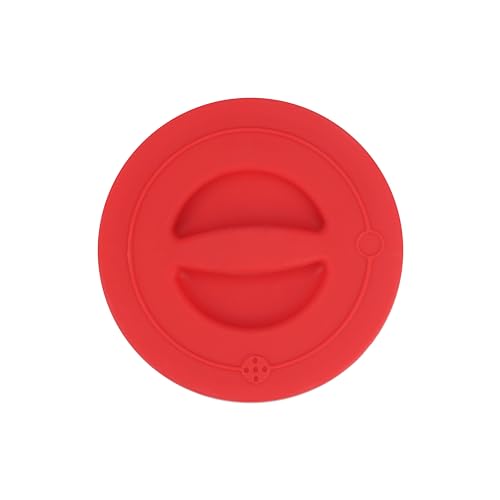
【Package Included】You will get Purekra's small-sized silicone lid, designed to fit 1-Cup measuring cups. Remember to check the compatibility with your specific model before purchase. (Measuring cups are not included)