

If you’ve ever struggled with sticking cookies or veggies to your baking sheet, you might be wondering what a lined baking sheet is. It’s simply a regular metal pan covered with a protective layer like parchment paper or a silicone mat, making cleanup easier and preventing food from sticking.
A lined baking sheet also alters how your food cooks, often resulting in softer textures and less browning on the bottom.
Keep reading to find out which liner will best suit your baking style.
What Is a Lined Baking Sheet Exactly?
A lined baking sheet is a standard flat baking pan that has a protective lining, typically parchment paper, placed on its surface before adding food. This lining acts as a barrier between the food and the hot metal, preventing sticking and making it easier to release baked goods like cookies, pastries, and roasted vegetables. Using a lined sheet ensures your treats come off cleanly without tearing or breaking apart and helps prevent over-browning on the bottom. It also simplifies cleanup—just lift out the liner and discard the residue—saving time and effort. Whether you are new to baking or experienced, a lined sheet makes the process smoother, less messy, and more efficient from start to finish. For reusable silicone options like Silpat mats, regular cleaning is essential to remove baked-on residue and keep them looking new.
Parchment vs. Silicone vs. Foil: Which Liner Wins?
Parchment paper is generally the best choice for most baking tasks because it promotes even browning and ensures easy release of baked goods like cookies and sheet cakes. Silicone mats are excellent for durability; they can handle sticky batters and repeated use without waste, making them economical over time. However, they can slightly reduce crispiness, especially for items like cookies that benefit from a dry heat. Aluminum foil is ideal when working at high temperatures, such as roasting or broiling, but it is not non-stick. You’ll need to oil or grease the foil to prevent sticking. Be cautious when using foil with acidic foods like tomatoes or citrus, as it can alter flavors. For frequent baking, silicone mats tend to offer the best long-term value due to their reusability, while parchment is versatile for most standard baking tasks.
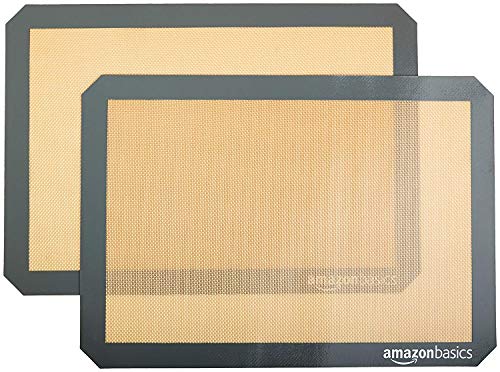
SHIPMENT CONTAINS: 2-pack of food-safe silicone baking mats for easy and convenient baking, roasting, or food prep

Easy Cleanup: The surface helps reduce baked-on residue, and the mats can go in the dishwasher once cool for convenient cleanup between batches

BPA-free silicone baking mats cookie sheet made of food-safe silicone and strengthened with fiberglass, silicone cookie sheet provide exceptional durability and consistent heat distribution. Suitable for all baking types, reusable baking sheet are scentless, non-toxic, and designed to withstand wear and fading over time – guaranteeing enduring bake mat performance.
Does Lining Change How Food Cooks?
Lining a baking sheet does change how food cooks by subtly altering heat transfer. While it doesn’t change your oven’s temperature, it creates a barrier that reduces direct contact with the metal, affecting how heat reaches your food. This results in more gentle, even heat distribution across the pan, which can influence browning, crispness, and moisture retention.
You’ll notice less browning on the bottom of baked goods and softer textures overall. For vegetables, lining reduces caramelization, leading to less crispy edges and more tender results. With cookies, you might see less spreading and a more tender bite because the liner keeps moisture near the surface. Additionally, lining traps moisture close to your food, softening crusts that would normally dry out during baking. For wooden rolling pins, a similar principle applies because baked-on residue requires gentle care to avoid damaging the surface. Parchment paper, however, costs less per sheet than replacing or frequently cleaning a bare metal pan.
Because of these effects, you typically don’t need to adjust your oven settings, but the final outcome will differ. Treat lining as a tool for controlling texture and moisture rather than a simple cleanup shortcut. For a similar approach to saving money by making kitchen tools yourself, see DIY Rolling Pin Holder for easy steps to build one at home.
When You Should Skip the Liner on Your Sheet
Skip the liner when you want deep browning, crisp edges, or direct heat contact. Unlined sheet pans allow heat to meet the food directly, promoting stronger caramelization, especially for roasted vegetables and meats. When baking cookies with high butter content or crisp-bottomed bars, removing the parchment often yields better results, as liners can trap moisture and soften items that need a firm crust. If you don’t have a liner, you can use common kitchen items like a coffee mug or water bottle as household measuring tools to estimate liquid amounts for your recipe. A proper adjustment of your stand mixer’s bowl-to-beater clearance, similar to the precision needed for bare-pan roasting, ensures consistent mixing results. Opt for a well-greased pan instead of a liner when your recipe relies on bare-pan roasting. High-heat roasting with unlined pans produces crispier results for items like okra or roasted carrots. For those who frequently roast, investing in the top mixer attachments can expand your kitchen’s versatility beyond simple mixing tasks. Avoid foil or parchment if browning and direct contact are more important than convenience.
Why Liners Make Cleanup a Breeze
Liners make cleanup a breeze by acting as a barrier between food and your pan. They prevent grease, sugar, and batter from baking onto the surface, so you spend less time soaking or scraping after baking or roasting. With liners like parchment paper or silicone mats, residue stays contained, and you won’t have to scrub corners or stubborn spots. Washing becomes quick—just wipe the liner or toss it in the trash—saving you time and effort. Additionally, liners help protect your sheet from stains and scratches, which extends its lifespan. You can also experiment with creative recipes like glazed salmon or sticky buns without worrying about a big mess. Historically, bakers relied on greased paper to achieve similar cleanup ease, and now you can reuse silicone mats or parchment paper for multiple batches, making cleanup faster and more convenient.
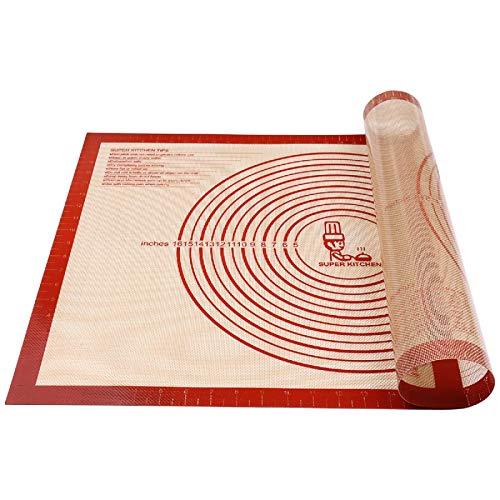
Premium Safe Silicone:We attach great importance to the health of our customers.So we offer the premium food grade silicone to pretect your safe.

Premium Silicone Bakig Mat: Our kitchen baking mat is crafted with 100% food grade silicone. With 0.7mm thickness reinforced design (2x thicker than standard 0.3mm mats) can withstand daily kneading sourdough, rolling pizza dough, and shaping sticky fondant without warping or degradation

Premium Safe Silicone:We attach great importance to the health of our customers.So we offer the premium food grade silicone to pretect your safe.
How to Line a Baking Sheet Perfectly
To line a baking sheet perfectly, start by measuring your pan’s length and width—this ensures you cut the liner to the right size. Cut parchment paper or aluminum foil slightly larger, leaving a 1 to 2-inch overhang for easy gripping. Trim corners with diagonal cuts to prevent bunching, then fold the tabs inward to minimize wrinkling and gaps.
Place the liner in the center of the sheet and press it down flat, smoothing out any air pockets. Crease along the edges of the pan to achieve a snug fit. For added hold, lightly grease the pan before placing the parchment. Keep the liner flush against the base and sides to avoid shifting during baking. Do not let the paper hang over the tray edges initially, as this can cause spills or burns. For even better stability, consider using a roasting pan with rack that elevates food for consistent air circulation. Unlike a regular cake pan, angel food cake requires a special ungreased tube pan to properly cling to the sides and rise. For decorative finishing touches, you can also use specific piping tips to add precise patterns of batter or frosting onto the liner.
Once the liner is in place, you can apply seasonings directly onto it for even flavor distribution. After baking, lift the liner by the overhang for quick cleanup. For storage, fold used liners flat and tuck them underneath your baking sheet drawer to keep your kitchen organized.

🍃【140 SHEETS - HIGH VALUE PACK】 Get 140 generously sized sheets! This large pack offers exceptional value compared to smaller packs, ensuring you're always prepared for baking, roasting, and meal prep.

Precut Parchment Paper: Get 200 parchment sheets perfectly sized at 12"x16" for half sheet pans. No rolling, measuring, or cutting—just grab a sheet and go

3 PACK – 72 PRE-CUT SHEETS – Includes three boxes with 24 parchment baking sheets each, for a total of 72 convenient pre-cut liners ready for everyday baking and cooking.
Can You Reuse Parchment Paper on a Baking Sheet?
You can reuse parchment paper on a baking sheet, but its condition is key. If the paper is clean, intact, and not greasy or torn, you can reuse it for next to dry baking tasks like cookies. To do so safely, brush off loose crumbs and avoid reusing if it has touched raw meat or has noticeable burns. Keep in mind that higher temperatures tend to degrade the paper faster, so typically, you’ll get about two uses before it’s best to replace it. Store used sheets flat and dry to maintain their condition. To visually check for wear, note that finding 3/4 cups on a measuring cup follows a similar principle of looking for clear markings to ensure accuracy. Many kitchen scales similarly rely on clear markings for precise measurements, ensuring consistent results in your baking. You can prolong the life of your parchment by choosing one of the top non-stick baking sheets reviewed for their durable, even-heating surfaces. Once you notice darkening, brittleness, or a decline in nonstick performance, discard the sheet. Fresh parchment remains safer for baking foods that are particularly messy or cooked at high heat.
What Size Lined Baking Sheet Do Home Bakers Need?
The ideal size for home bakers is a half sheet pan, measuring approximately 18 by 13 inches overall. The interior surface you’ll be baking on is closer to 16.5 by 11.5 inches. This size fits most standard home ovens and provides a versatile option for a wide range of baked goods. Remember to leave about an inch of space on each side of the pan for airflow to ensure even baking and proper heat circulation. For precise decorating, a piping tips chart can help you select the right nozzle for your cake designs. A half sheet pan’s interior surface is perfectly sized for even heat distribution in a standard home oven. For bakers considering a long-term investment in quality bakeware, the durability of KitchenAid mixers offers a helpful comparison for choosing reliable kitchen tools.
You might also consider a quarter sheet pan, which typically measures around 9 by 13 inches. This smaller pan is perfect for test batches, toasting nuts, or roasting small amounts of vegetables. Avoid full sheet pans, which are about 26 by 18 inches, as they tend to be too large for most home ovens. To get the best results, measure your oven’s interior space before choosing your pans to prevent overcrowding and ensure your baked goods cook evenly.

INGENUITY DIAMOND TEXTURE - This half sheet pan has a diamond texture on the base increases its non-stick properties and ensures even and quick heat airflow to the cookie, which makes the cookies consistently baked without any over or undercooked parts.

PREMIUM THICK BAKING SHEET: Unlike other pans that are too thin or have a coating that peels and rusts, our baking tray is made of a thick aluminum gauge with a reinforced steel rim that ensures even heat distribution without warping or twisting. Owing to its pure aluminum construction, the pan is oven safe up to 500ºF / 260ºC, no need to worry about deformation or harmful coating peeling off through numerous uses
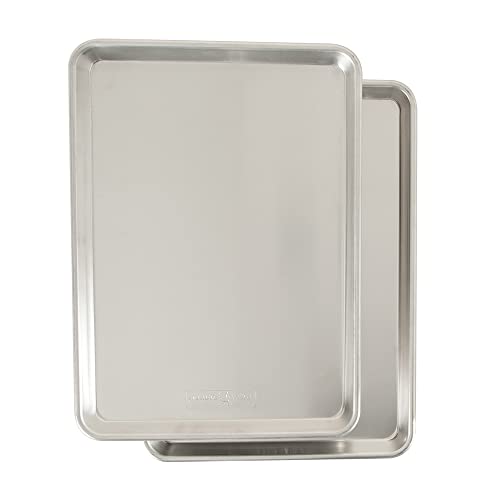
Naturals bakeware is made of pure aluminum for superior heat conductivity and produces consistently evenly browned baked goods every time.
5 Lined-Sheet Mistakes You’re Probably Making
Using the right liner is crucial, and parchment paper is your best bet for oven use. Wax paper isn’t heat-safe; it can smoke or melt, which could ruin your bake and create a mess. Always trim the liner so it doesn’t hang over the edges of the pan, as overhang can cause scorching or shifting during baking. When choosing your bakeware, remember that bundt cake pans typically have a different shape and require careful liner placement to avoid tearing.
Securing the liner is essential to prevent slipping. Lightly spraying the pan or dabbing a little dough at the corners helps keep it flat. Remember, parchment and wax paper look alike, but wax paper’s coating melts when heated. This difference makes parchment the safe choice for oven tasks.
Never reuse liners, especially with wet batters or high heat. Parchment weakens after just one use, increasing the risk of tearing or sticking. Using a fresh liner every time helps maintain cleanliness and ensures your baking sheet performs optimally. Your baked goods and your sheet will thank you for this simple step.

400 Pcs Precut Baking Parchment Paper: Are you tired of cutting curly parchment paper rolls? Our precut parchment sheets can let you get rid of cutting parchment anymore! The parchment sheets will lay flat on the baking tray and not curl. Not only saving you time but also easy to clean

Package Includes—Four (4) 25ct packs of Reynolds Kitchens Cookie Baking Sheets measuring 12 inches long by 16 inches wide (100 Total Sheets)
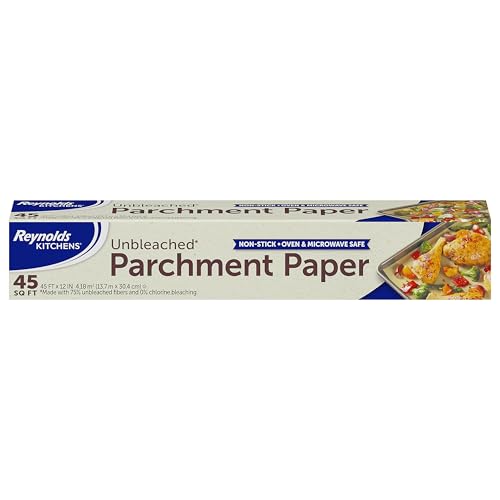
Package Includes: One (1) Reynolds Kitchens Unbleached Parchment Paper Roll measuring 45 feet long by 12 inches wide (45 square feet total)
Why Bakers Line Their Sheets for Almost Everything
Lining your sheets is essential for achieving the best baking results. It prevents delicate cookies or pastries from sticking, ensuring they release cleanly without breaking. This helps preserve their flavor and texture, especially for high-sugar items that tend to stick or burn easily. Additionally, liners make cleanup quick and effortless—just toss out the parchment or foil once you’re done, avoiding scrubbing burnt residues off your pans. Liners also protect your baking sheets from stains, scratches, and rust, which can extend their lifespan. Finally, materials like parchment paper or silicone mats buffer direct heat, promoting even browning and reducing the risk of scorching. For presentation purposes, silicone mats allow you to slide baked goods straight onto racks for crisp edges, making them versatile tools whether you’re baking cookies or roasting vegetables. Overall, lining your sheets minimizes mess, enhances your results, and saves you time.