

If you’ve ever wondered how to get perfectly even cakes with decorative edges, a fluted tube pan might be just what you need.
Also known as a Bundt pan, it has a distinctive design with scalloped sides and a central chimney that helps your baked good heat evenly.
Keep reading to learn everything about these versatile pans and how to choose the right one for your baking style.
What Is a Fluted Tube Pan and How Does It Work?
A fluted tube pan works by incorporating a central hollow tube that acts like a chimney, providing even heat distribution throughout the cake. This tube channels heat into the middle of the batter, ensuring the core bakes at the same rate as the outer edges. As the oven’s heat circulates from both the outside and inside, your cake develops a uniform texture without that undercooked center. The fluted sides not only help with heat conduction but also create decorative ridges on the finished cake, adding visual appeal without extra decorating effort. For best results, always thoroughly grease the pan, including all grooves and ridges, to facilitate easy release. Most fluted tube pans are made of aluminum or nonstick metal, which conduct heat effectively. After baking, simply invert the pan briefly to display a ring-shaped cake with beautifully defined ridges that holds its shape well. Choosing a high-quality pan with good construction is similar to selecting top silicone baking mats for consistent performance and even results. To keep the pan in prime condition, use methods similar to cleaning a silpat mat by soaking in hot, soapy water and gently scrubbing with a soft brush to lift baked-on residue from the intricate grooves.
Fluted vs. Standard Tube Pan: What’s the Real Difference?
The main difference between fluted and standard tube pans lies in their design and how they interact with different types of batter. Fluted pans feature ornate ridged sides that increase surface area, which enhances browning and creates a decorative, textured cake without the need for frosting. These pans are often made with nonstick coatings because the grooves can trap batter, making it trickier to release the cake neatly. Standard tube pans, on the other hand, have smooth, straight sides and a simple, functional shape. They typically include a removable bottom that facilitates easy unmolding, especially important for delicate, airy cakes. For those seeking precise baking results, using a top rated food scale can ensure consistent ingredient measurements for any pan type. For those interested in a hands-on approach, building your own bundt pan at home is a cost-effective alternative using readily available materials. For optimal batter preparation, a KitchenAid mixer with the right attachments can simplify mixing thick doughs.
Use a fluted pan when baking denser, sturdier batters that benefit from additional support and a browned exterior. The ridges help these types of cakes hold their shape and develop a polished look. Conversely, a standard tube pan is better suited for light, airy recipes like chiffon or sponge cakes. Their smooth walls allow for better even-rise and expansion, helping delicate textures climb without restriction. Ultimately, choosing between the two depends on your recipe and the aesthetic or structural qualities you desire in your cake.

Premium Cake Pan: The Gold Fluted Tube Cake Pan offers professional-level results; it measures 9.49 inches in diameter and 3.37 inches deep
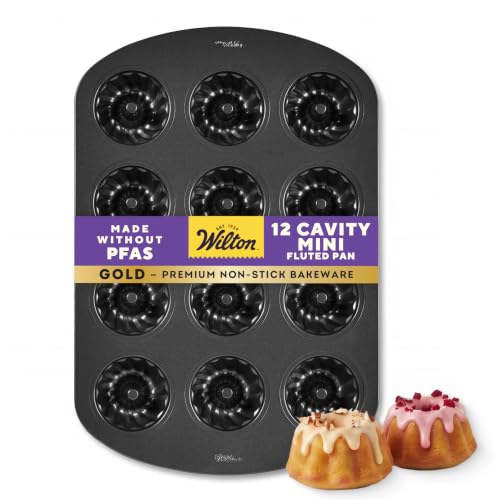
Designed for passionate home bakers, this 12-cavity mini tube pan offers reliable performance, even heat distribution, and a non-stick coating for consistent, professional-level results in both baking and decorating.

PRACTICAL SIZE: The round cake pan features a 9.5” outer diameter,9” inner diameter, and a 3” height, making it perfect for sharing with friends, family, or guests.The pound cake pan is suitable for most ovens. With its narrow base, straight sides, and extra-large center tube, this buntz cake pan non stick is a must-have kitchen essential. Made from professional-weight formed bakeware, this tube cake pan is a fantastic addition to any kitchen.
Best Cakes and Desserts for a Fluted Tube Pan
Because fluted tube pans distribute heat so evenly through their center tube, they excel with dense, sturdy batters that retain the mold’s intricate shape after unmolding. You’ll see the best results with pound cakes, butter cakes, and classic Bundt-style recipes. Seasonal favorites like pumpkin spice or pumpkin flan Bundt cakes also bake beautifully, filling every groove with decorative patterns. For a dramatic presentation, try chocoflan— a firm cake shell encasing a soft custard layer. Remember, pan maintenance is key: thoroughly grease every nook before baking to ensure clean releases. Even simple pound cakes become eye-catching centerpieces when dusted with powdered sugar or drizzled with glaze. Using hot pads to handle the hot pan safely during unmolding prevents burns and protects your countertop. A stand mixer with a paddle attachment makes quick work of creaming the butter and sugar for these dense batters. When rolling out the cake’s decorative toppings, a quality wooden rolling pin helps achieve even thickness for perfect grooves.
Aluminum vs. Steel vs. Silicone: Which Fluted Tube Pan Material Bakes Best?
Aluminum is the best material for a fluted tube pan when it comes to heat distribution. It conducts heat quickly and evenly, which ensures uniform browning and consistent baking results. Steel pans absorb radiant heat more than aluminum, resulting in faster and darker browning, but their slower heat conduction can create hot spots that lead to uneven baking. Silicone pans, while easy to release, tend to delay crust formation and increase baking time, making them less ideal for achieving the traditional texture you want in a fluted tube cake.
In terms of performance, aluminum offers the ideal balance between efficient heat conduction and reliable results. Steel offers durability but requires careful maintenance to prevent rust. Silicone requires minimal upkeep but sacrifices some structural rigidity. Overall, aluminum or aluminized steel pans are the top choices for baking performance. For mixing heavy batters, a KitchenAid stand mixer provides the power and stability needed for consistent results.
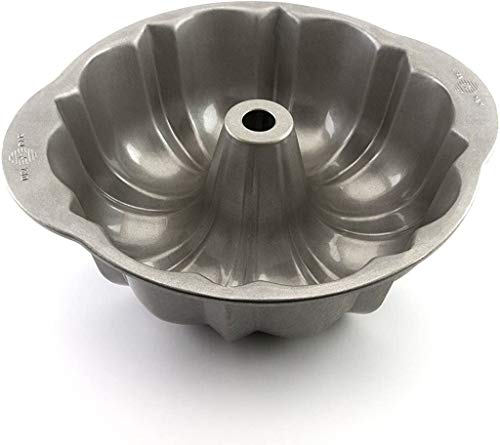
Perfect for your fluted tube cakes, pound cakes and ring cakes that bake evenly and taste great; heavy gauge Aluminized Steel that is commercial grade

PREMIUM CONSTRUCTION: Heavy-weight carbon steel ensures superior heat conduction and even baking; Features a durable silicone-based nonstick coating for easy release and cleanup
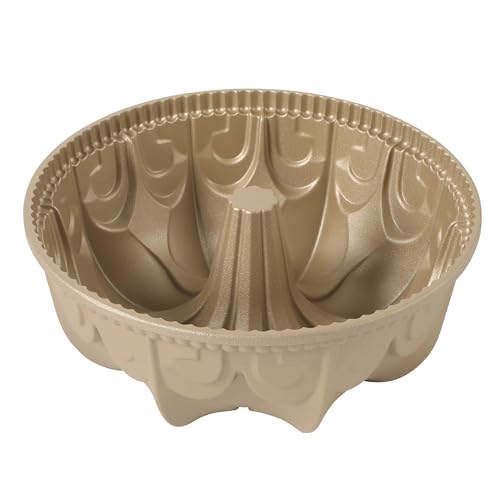
A BOX INCLUDES: One flower-shaped cast aluminum cake mold. Measures 9.3 inches (24.3cm) daimeter x 3.9 inches (9.9cm). Capacity: 10-cups (2.5-qt). The Dunelle Bakeware Collection from Martha Stewart turns simple ingredients into warm, inviting baked creations with thoughtfully crafted essentials. With classic silhouettes and charming molds, this collection offers everything you need to bake, brown and delight.
What to Look for When Buying a Fluted Tube Pan
Check the size and capacity of the fluted tube pan to ensure it matches your recipe’s yield. Common sizes range from 6 to 12 cups for classic Bundt pans, so measure the batter volume your recipe calls for before purchasing. An appropriately sized pan prevents overflow and ensures even baking. For larger gatherings, consider a pan with 20 individual cavities to batch-bake mini desserts simultaneously, as featured in the Wilton Perfect Results Premium Non-Stick Mega Mini Fluted Tube Pan. The material of the pan, such as heavy-gauge steel or cast aluminum, significantly affects heat distribution and browning.
Pay attention to the flute depth and spacing, as these details influence both the appearance and release of your baked goods. Deeper, well-defined ridges will give your cake a striking decorative finish and make it easier to unmold without damage.
Inspect the tube opening to confirm proper heat circulation, especially when baking lighter, airy cakes such as chiffon or angel food. A larger or well-designed opening prevents hot spots and ensures the center bakes evenly.

Our original and most recognized Bundt pan design in lightweight formed aluminum

Crafted from lightweight formed aluminum, this pan delivers the same timeless design and precise detail as the classic cast aluminum version, creating cakes that impress at birthdays, anniversaries, holidays, or everyday gatherings

Our original and most recognized Bundt pan design in lightweight formed aluminum, which conducts heat evenly for terrific results, and will not rust or warp in the oven.