

Got a cookie sheet that’s sticking or browning unevenly? Greasing it just right can make a big difference in how your baked goods turn out.
But overdoing it or skipping it entirely can cause problems like burnt edges or messy cleanup.
Keep reading to learn the best ways to prepare your cookie sheet for perfect baking results.
When Greasing a Cookie Sheet Actually Helps (and When It Hurts)
Greasing a cookie sheet is beneficial only in specific cases, not for everyday baking. For most standard cookie doughs, adding grease can cause excessive spread, flattening edges, and uneven browning. The oil lowers the baking temperature’s effective range, making the bottoms turn golden before the tops set. It can also create burnt grease pools between cookies, resulting in pockets of crisp, crumbly edges that compromise the desired texture. Using a stainless steel bowl mixer for creaming butter and sugar can also help control dough consistency, reducing the need for greased pans. Using a high-quality foil lining on your baking sheet can provide a reliable non-stick surface without the drawbacks of grease.
However, greasing is advantageous for certain particular recipes. Lace cookies and particularly sticky doughs depend on a slick surface for easy release and controlled spread. If a recipe instructs you to grease the pan, follow that guidance, as standard parchment paper won’t suffice. When applying grease, use a light, even coating—too much will intensify the problems of over-spreading and uneven browning. Remember, greasing should enhance the baking process by aiding in release and development of texture, not sabotage it. Use grease sparingly and only for recipes that specify it. For non-stick surfaces like Silpat mats, avoid greasing altogether to preserve the silicone coating and prevent residue buildup.

Easy Cleanup: The surface helps reduce baked-on residue, and the mats can go in the dishwasher once cool for convenient cleanup between batches
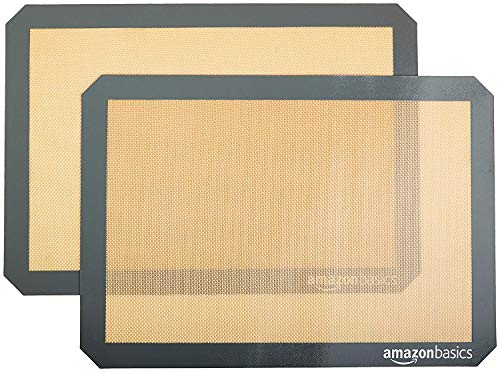
NON-STICK SURFACE: Flexible silicone baking mat releases food easily without the need for oil, cooking sprays or parchment paper for healthier & mess-free baking
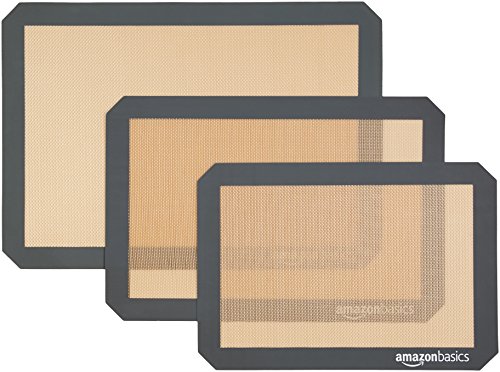
Baking mat (3-pack) for easy and convenient baking, roasting, or food prep
The Best Fats to Use: Butter, Shortening, or Spray
Butter, shortening, and spray each have their own strengths for preparing your cookie sheet. Butter adds flavor and a rich taste, making your cookies more flavorful. However, its higher water content can affect texture, resulting in a softer, less crispy cookie base. It spreads easily, but you should use it sparingly to prevent greasy spots. For bakers seeking precision, a food scale helps ensure consistent fat measurements for reliable results. For lighter, more even spreading, a KitchenAid mixer attachment can efficiently cream butter for consistent results. Since baking soda is an alkaline leavener, choosing a fat that interacts well with it can support even browning in the oven.
Shortening provides excellent nonstick properties, which means your cookies are less likely to stick and you get cleaner, more even browning. It doesn’t add much flavor but performs reliably when your focus is on a uniform finish and easy release.
Cooking spray offers the fastest, most even coverage. It’s ideal for quick prep and works well for cookies that need a bit more spread or easy release. Always apply a very thin, shiny layer—avoid thick pools of spray—to ensure the best results.

Fat-free cooking spray, 5 ounces

Bake everyday favorites with ease, perfect for all your baking needs from cookies and sheet cakes to roasted dinners, appetizers, and freezer prep batches

DURABLE NON-STICK COATING - This Nutrichef Large Cookie Sheet features an attractive and stylish non-stick gray silicone coating inside and outside. It offers easy food release and cleanup, making it an essential tool for baking enthusiasts.
How to Grease a Cookie Sheet the Right Way Every Time
To grease a cookie sheet correctly, start by checking your recipe to see if greasing is necessary. Not all recipes require it—some already contain enough fat to prevent sticking. Greasing when it’s not needed can cause cookies to spread too much or even burn. Only apply grease if the recipe explicitly calls for it, especially for delicate or high-spread doughs. Unlike an angel food cake pan, which is never greased so the batter can climb the ungreased tube pan walls, a cookie sheet often needs a light coating for release. Next, ensure your sheet is thoroughly cleaned and completely dry. Old residue can cause uneven browning and sticking. Use a paper towel or pastry brush to apply a very thin, even layer of butter, shortening, or spray. The goal is to leave only a barely visible coating. Applying too much can lead to pooling or smoking, which affects the final bake. Avoid using oils unless specified, as they may pool or produce smoke. Match your greasing method to your baking goal. Greasing helps release cookies easily, but if you’re aiming for quick cleanup, parchment paper is an alternative. Proper greasing involves an even coating that reaches all corners and edges without excess. If you are making an ice cream cake instead, check the best springform pans for a reliable release and even freezing. For an alternative nonstick surface, silicone baking mats can also be used in the oven safely.
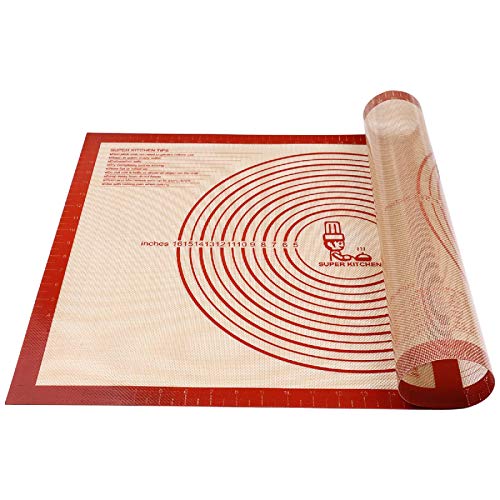
Premium Safe Silicone:We attach great importance to the health of our customers.So we offer the premium food grade silicone to pretect your safe.
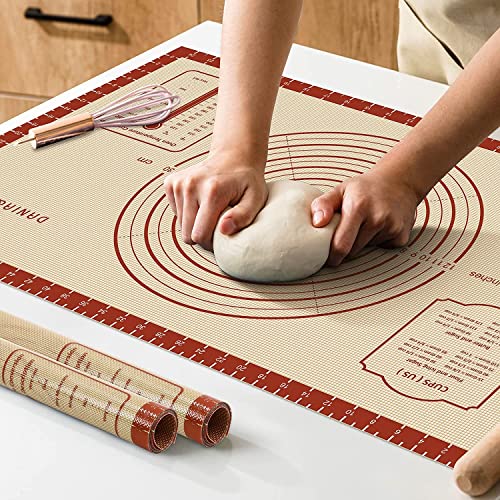
【100% Safe Silicone Baking Mat】: We provide the food grade silicone dough mat sheet which is made of premium silicone material . It is more safer and soft than any other pastry mat, and has stood the test of time with use by the most demanding chefs in the world . It is 100% safe baking mat for our daily use and a good great option our home.
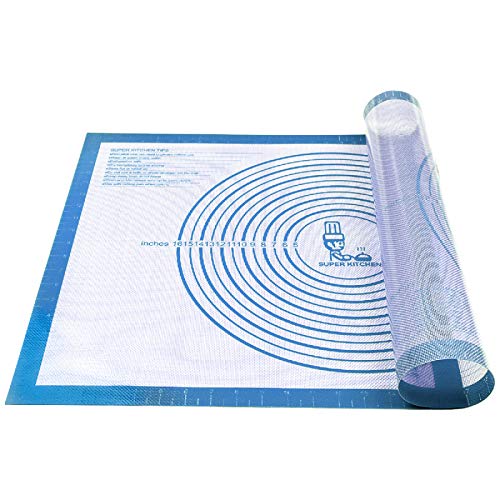
Premium Safe Silicone:We attach great importance to the health of our customers.So we offer the premium food grade silicone to pretect your safe.
Over-Greasing Causes Burning: Here’s How to Avoid It
Over-greasing can significantly increase the risk of burning your baked goods. Excess fat heats up faster than the dough, leading to darkened bottoms before the tops are done and pooled grease that scorches the edges. To avoid this, use only a minimal amount of grease—preferably none unless the recipe specifically calls for it. After applying a thin layer, wipe off any visible excess to prevent over-greasing. The type of pan also impacts this risk: dark-colored sheets absorb more heat, which intensifies burning when heavily greased. If your recipe is butter-heavy, it can worsen the situation since butter adds more fat. Using quality measuring cups with spoons ensures precise fat measurements, reducing the chance of adding too much grease from the start. Baking on the middle rack helps avoid bottom heat that can cause burning. Clean leftover grease promptly after each batch, because buildup can burn during subsequent baking. Using lighter-colored, heavy-gauge baking sheets can help reduce the chances of burning. Using a quality wire rack within the sheet can also promote even airflow and reduce contact with pooled grease. Consider pairing your stand mixer with optional paddle attachments designed for even mixing to ensure consistent dough texture that bakes uniformly. Lastly, verify your oven’s temperature with an oven thermometer regularly, especially if your cookies tend to burn quickly, to ensure consistent heat and better control.

PURE UNCOATED ALUMINUM & SUPERIOR HEAT CONDUCTION: Crafted from 100% bare aluminum with NO chemical coatings – guarantees safe, toxin-free cooking. Engineered for lightning-fast, even heat distribution (up to 30% faster than steel!) for perfectly crispy cookies, golden roasted veggies, and juicy meats every time. The aluminum baking pans are made of thick and heavy aluminum, with a heavy rolled edge making this truly "commercial-grade"that provides maximized scratch resistance

DELICATE BROWNING: Farberware GOLDEN BAKE non stick baking sheet features air pocket insulation for better airflow and super-even heating - no more burnt bottoms!

INGENUITY DIAMOND TEXTURE - The cookie sheet pan set has a diamond texture on the base increases its non-stick properties and ensures even and quick heat airflow to the cookie, which makes the cookies consistently baked without any over or undercooked parts.
Skip the Grease: When Parchment or Silicone Is Better
Parchment paper and silicone mats serve different purposes, and choosing between them depends on your baking goals. Parchment paper is ideal when you want crisp edges and a dry bottom. It absorbs grease and moisture, promoting browning and shape control, making it perfect for items like chocolate chip cookies. Plus, it withstands direct heat and makes cleanup quick and simple. Conversely, silicone mats are best for repeated baking due to their reusability and eco-friendly nature. They provide a slight insulation that slows bottom browning, which helps keep baked goods like cookies softer in the center. Silicone’s stable nonstick surface is especially advantageous for delicate items such as macarons. If you prioritize texture and easy cleanup, parchment is the way to go; if sustainability and longevity matter more, silicone mats are a solid choice. Match your liner to your baking objective, not just habit. For a different baking approach, note that glass loaf pans offer better heat insulation compared to metal, which can affect browning and texture in similar ways to a silicone mat. For those using a stand mixer to cream butter and sugar, a flex edge beater can help scrape the bowl sides for more even mixing. If you also need to mix dough for cookies in a mixer, a KitchenAid stand mixer offers reliable performance and easy attachment changes for various tasks.

Best German Silicone: We attach great importance to the health of our customers. Therefore, we use the best German WACKER silicone as the raw material in the industry. Food Grade, BPA Free, PFOA Free, Non-toxic. NOT made in Germany.

Premium Silicone Bakig Mat: Our kitchen baking mat is crafted with 100% food grade silicone. With 0.7mm thickness reinforced design (2x thicker than standard 0.3mm mats) can withstand daily kneading sourdough, rolling pizza dough, and shaping sticky fondant without warping or degradation

2 Half (16.53 x 11.61 inches) & 2 Quarter sheet (11.81'' x 8.26'')Silicone Baking Mats, perfect for keeping different recipes separate—no more mixing flavors
Match Your Prep Method to Your Cookie Type for Best Results
Matching your pan prep to the cookie type is crucial for the best results. For thin, crisp cookies like lace, use a very light coating of butter or spray to encourage a controlled spread. This adds flavor through butter’s rich taste without overly flattening the cookie. For soft, moist doughs, apply only a minimal layer of unsalted butter or shortening; too much grease can cause unwanted spread and change the cookie’s texture into a flatter version. High-fat doughs typically bake best on ungreased pans, as excess grease can lead to shape loss and make cleanup messy. If a recipe specifies pan preparations, follow those instructions precisely. Light greasing generally helps preserve the cookie’s shape more effectively than heavy coats. Use butter if you want browning and extra flavor, or opt for shortening for a more neutral result. Using a top rated food scale to measure ingredients ensures consistent dough texture and accurate spreading. Springform pans can be a useful alternative for certain recipes but require careful handling to avoid batter leakage. To keep pans looking new, always use a gentle scrubbing pad and avoid harsh abrasives that can damage the nonstick surface. Your choice of prep method directly influences how much the cookies spread and affects their final texture.