

Wondering whether to bake directly on a metal sheet or to use parchment paper? The right choice can affect your crust’s texture, cleanup time, and even safety.
While baking on a metal sheet offers maximum crispiness, parchment paper makes for an easier, mess-free experience—though it may soften your crust slightly.
Keep reading to see which option best suits your needs.
Baking Sheet vs. Parchment Paper: What’s the Difference?
A baking sheet is a durable, reusable metal pan, while parchment paper is a single-use, silicone-coated liner. The baking sheet, made from aluminum or steel, can last for years with proper care and is designed to withstand repeated oven use. Parchment paper, on the other hand, is usually discarded after one use, making it a disposable convenience.
Cost-wise, the baking sheet represents a one-time investment—it can serve all your baking needs for years. Parchment paper involves ongoing expenses since you’ll need to buy new sheets each time. Choosing between them depends on your priorities: the baking sheet offers long-term savings and durability, while parchment paper provides quick, no-cleanup convenience. The sheet provides the sturdy base needed for baking, whereas the parchment paper acts as a disposable, non-stick layer that reduces cleanup but adds recurring costs. For a reusable non-stick alternative without recurring costs, a Silpat mat offers similar convenience with proper cleaning and care.

Easy Cleanup: The surface helps reduce baked-on residue, and the mats can go in the dishwasher once cool for convenient cleanup between batches

2 Half (16.53 x 11.61 inches) & 2 Quarter sheet (11.81'' x 8.26'')Silicone Baking Mats, perfect for keeping different recipes separate—no more mixing flavors
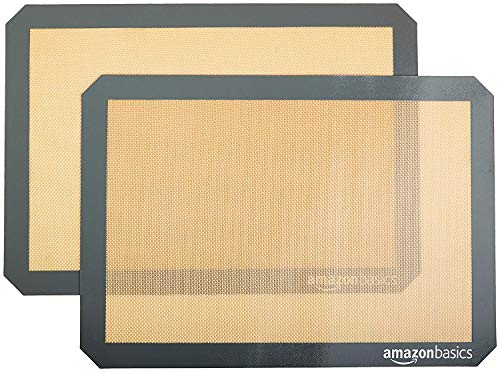
NON-STICK SURFACE: Flexible silicone baking mat releases food easily without the need for oil, cooking sprays or parchment paper for healthier & mess-free baking
When to Use a Baking Sheet Without Parchment
When browning is your top priority, skip the parchment and use a bare baking sheet. Direct metal contact enhances caramelization, producing deeper color and crispier edges on roasted vegetables, potatoes, and sheet-pan dinners. To prevent sticking, grease the tray evenly with butter or oil. High-fat cookies and pastries also release easily from unlined metal surfaces. For consistent results, regular kitchen scale calibration ensures your ingredient portions are accurate for even browning.
Using a bare sheet also improves safety when broiling, as parchment can ignite under high heat or near an open flame. Keep in mind that cleanup becomes more challenging because caramelized bits bond to the pan, so removing food promptly is advisable. When achieving a golden, crunchy crust matters more than easy washing, a bare baking sheet provides superior texture every time.

PURE UNCOATED ALUMINUM & SUPERIOR HEAT CONDUCTION: Crafted from 100% bare aluminum with NO chemical coatings – guarantees safe, toxin-free cooking. Engineered for lightning-fast, even heat distribution (up to 30% faster than steel!) for perfectly crispy cookies, golden roasted veggies, and juicy meats every time. The aluminum baking pans are made of thick and heavy aluminum, with a heavy rolled edge making this truly "commercial-grade"that provides maximized scratch resistance

【Healthy Material】 The baking sheet with wire rack are made of high quality stainless steel without any chemical coating, wouldn't create chemicals at high-temperature baking, great replacement to aluminum pan, rust free and healthy for your daily use.
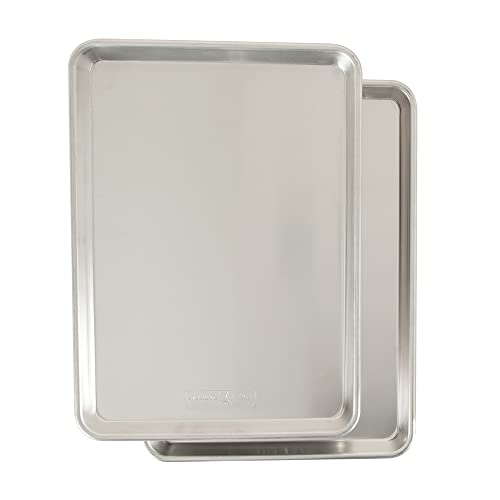
Naturals bakeware is made of pure aluminum for superior heat conductivity and produces consistently evenly browned baked goods every time.
When Parchment Paper Beats a Bare Baking Sheet
Parchment paper is superior for easy release and cleanup. While a bare baking sheet promotes browning and crispiness, parchment paper allows fragile baked goods like cookies and macarons to lift off without tearing, preserving their appearance. Its non-stick barrier means you don’t need to grease the pan, so sticky batter and sugary toppings slide right off, saving time and effort. Parchment also helps protect your baking pans from stains and scratches, reducing the need for scrubbing and extending their lifespan. For best results, using a precise food scale ensures your ingredients are measured accurately for consistent baking outcomes. For example, adopting care tips that keep it looking new can further extend the life of your baking sheets when combined with parchment use. For superior performance, selecting a high-quality roasting pan with a rack ensures even heat distribution and easier handling of heavier items.
For baking, parchment creates an insulating layer that helps moderate hot spots on the baking sheet, leading to even browning and preventing burnt bottoms. It can be used as a sling to lift delicate cakes or brownies from the pan, ensuring they stay intact. When catching drips or crumbs, simply line your pan and dispose of the parchment afterward for quick cleanup. Additionally, parchment keeps moisture in delicate baked goods, helping maintain tenderness and consistency. Overall, parchment paper offers controlled, reliable results with less hassle in both baking and cleanup.
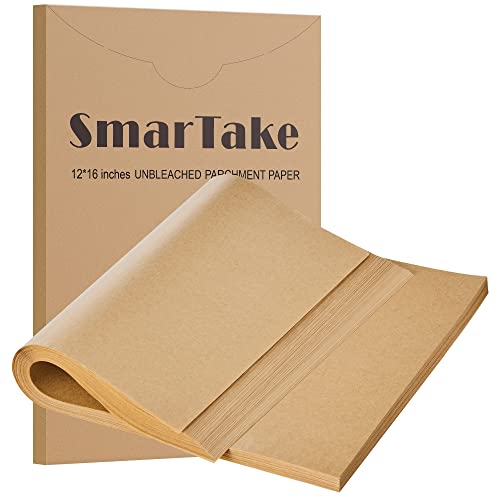
Pre-cut Baking Parchment Paper Sheets: Are you tired of cutting curly parchment paper? Our pre-cut parchment sheets can let you get rid of cutting parchment anymore. The sheets lay flat on the baking tray and will not curl

【400 PCS Food Grade Parchment Paper】YUANYE's product contains 400 sheets of 12“×16” baking paper, made from 100% natural wood pulp, ensuring they are unbleached, non-toxic, BPA-FREE and free from any harmful chemicals such as fluorescent agents or chlorine. These food-grade baking sheets are safe for direct contact with your food, giving you peace of mind while cooking.

【PERFECT AFTER-SALES SERVICE】If for any reason you are not completely satisfied with your purchase, or encounter any problems during use,you can click the "contact seller" button to send an email to us, and We will provide you with a satisfactory solution within 12 hours.
Can Parchment Paper Catch Fire? Oven Limits Explained
Parchment paper can catch fire if exposed to temperatures above its rated limit. While heavy-duty parchment can tolerate higher heat, it is not entirely fireproof. To prevent fires, keep your oven temperature at or below the maximum specified on the package. Always trim the parchment so it lies flat on your baking sheet; loose edges can curl and potentially come into contact with hot coils or oven walls, increasing the risk of ignition. Using a roasting rack elevates food, allowing for better air circulation and more even cooking. Using an oven thermometer helps ensure your oven’s calibration is accurate, so you don’t accidentally go over the safe temperature range. Remember, avoid direct contact with open flames or heating elements to keep parchment from burning. For reference, a KitchenAid stand mixer’s heavy construction affects its weight, which can exceed 25 pounds depending on the model and materials used. Unlike a spiral mixer, which is typically used for heavy doughs, a planetary mixer is more versatile for general kitchen tasks.

SHIPMENT CONTAINS: 90 square feet of parchment paper, 24 yards x 15 inches per roll for all your baking needs
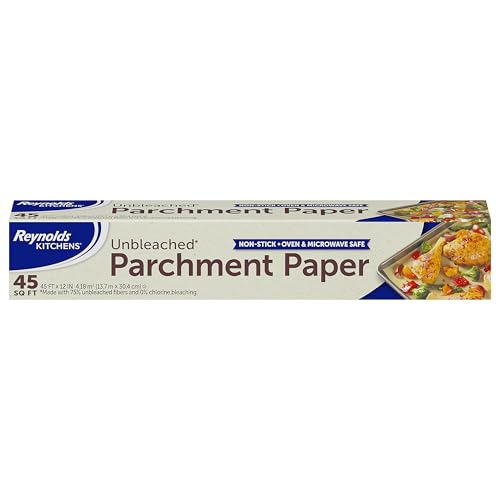
Package Includes: One (1) Reynolds Kitchens Unbleached Parchment Paper Roll measuring 45 feet long by 12 inches wide (45 square feet total)

EASY BAKING – No more thin, messy parchment. Our non-stick, unbleached paper ensures clean baking trays and perfect pastries, breads, and more.
Does Parchment Paper Change Browning and Crispiness?
Parchment paper can significantly influence browning and crispiness. Since it acts as a barrier between the food and the direct heat of the pan, you’ll notice less intense browning on the underside. This reduces the chance of burning and allows for gentler flavor development. While this means you may get a more evenly browned surface, it also means the crust won’t be as crispy as it would on bare metal or a hot baking sheet. Parchment paper tends to trap moisture, which softens bottoms and diminishes overall crispiness, especially for roasted or fried items. If maximum crunch is your goal, skipping the paper and using a metal pan or baking sheet is best. However, for easier cleanup and still decent results, parchment offers a good compromise—just ensure you leave space between pieces to prevent steaming and promote better airflow. This is one reason why a roasting pan might be preferred for achieving superior crispiness, as its direct metal contact and higher sides help concentrate heat without a moisture barrier. This principle of finding the ideal mixing attachments applies similarly in the kitchen, where specialized tools can drastically improve final results without sacrificing convenience. Flex edge beaters achieve similar compromises in mixing by scraping bowl sides to improve consistency without requiring more manual effort.
Baking Sheet vs. Parchment: Key Performance Differences
Parchment paper generally offers superior release performance compared to greased baking sheets, especially for delicate cakes and sticky batters. Its silicone coating reduces adhesion, allowing baked goods to lift off cleanly without additional greasing. This results in less sticking and easier removal, saving you time during both baking and cleanup. With parchment, you simply lift the baked item away from the paper—no scraping or scrubbing needed.
Cleanup is quicker because you can just remove the parchment and wipe down your baking sheet. You won’t have to deal with baked-on residue or stubborn spots. However, keep in mind that parchment paper is typically single-use, particularly after oily or greasy bakes. If you bake often and prefer a more durable surface, a well-maintained baking sheet can last for years, though it may require more scrubbing after certain bakes.
How to Use Parchment Paper Safely on a Baking Sheet
To use parchment paper safely on a baking sheet, start by checking its temperature rating, which is usually printed on the box. For standard sheets, do not exceed 425°F, and avoid using parchment under the broiler. If you plan to roast at higher temperatures, opt for heavy-duty parchment rated up to 500°F. Always lay the parchment flat inside the pan, making sure no edges touch the oven walls or heating elements, to prevent it from catching fire. Let the food’s weight hold the paper in place, especially in convection ovens where air circulation can cause slipping. During baking, watch for signs like darkening or curling of the parchment, as these indicate heat stress. Never confuse parchment with wax paper, which is not oven-safe, and if your recipe requires temperatures above the safe limit, switch to aluminum foil or a silicone baking mat.

72 sq ft roll of unbleached parchment paper

FSC certified / Certified compostable Unbleached Totally Chlorine-Free

MASSIVE 260 SQ FT ROLL WITH BUILT-IN CUTTER: The baking paper is 15 in. W and 210 ft. L, with a total of 260 sq ft, specially designed to fit half-sheet or full-sheet baking pans. The attached metal cutter allows you to cut the brown parchment paper to any length with a perfectly straight edge without needing scissors, meeting all your baking needs.
Baking Sheet vs. Parchment Paper: Which Should You Use?
Using a baking sheet or parchment paper depends on your specific baking needs. A baking sheet provides structural support, conducts direct heat for even browning, and can be reused multiple times. It’s ideal when you want crisp edges, need to stand up to high temperatures, or plan to bake frequently. Parchment paper offers a non-stick surface, making cleanup easier and reducing the need for greasing. It’s perfect for delicate baked goods that stick easily or when you want a hassle-free cleanup. Combining both is common for creative techniques: the baking sheet gives stability, while parchment prevents sticking. Avoid using parchment if you seek direct contact with metal for maximum crispiness, as it creates a barrier. For eco-friendliness, opt for reusable baking sheets or reuse parchment sheets if they remain clean. When using a half sheet cake pan, the standard dimensions ensure compatibility with parchment sheets for even coverage. Using a smart food scale can further enhance accuracy when weighing ingredients directly on your baking sheet. Ultimately, choose based on whether you prioritize support and reusability or non-stick convenience. For precise ingredient portions on your baking sheet, using a gram scale ensures consistent results by allowing accurate measurement of dry goods.