

Wondering if you can bake a cake in an aluminum pan? The answer is yes, but a few tips can help you get the best results.
Aluminum heats quickly and can cause overbrowning or sticking if you’re not careful. Keep reading to learn how to adjust your baking approach for perfect cakes in aluminum pans.
Is an Aluminum Pan Safe for Baking a Cake?
Yes, an aluminum pan is safe for baking a cake. Since plain cake batter isn’t strongly acidic, aluminum transfer remains minimal—well below any concern. You won’t face vapor risks at typical oven temperatures either. Aluminum’s durability allows it to handle the heat and repeated use without warping, although you should avoid deep scratches that could increase leaching. Kitchenaid mixer attachments expand your baking versatility, letting you whip frostings or meringues with ease. For best results, choose a quality stand mixer to ensure consistent batter mixing. Using a food scale for precise cooking helps you measure ingredients accurately, which is key for consistent cake texture. Uncoated aluminum pans work well for decorating or layered cakes, provided you keep acidic fillings out of prolonged contact. This prevents any potential discoloration or corrosion. Disposable aluminum pans are just as safe for a single bake, making them a convenient option. Overall, using aluminum pans for baking cakes is a safe choice, and there’s no need to overthink it.

Natural aluminum’s superior heat conductivity ensures consistent, evenly browned results every time you bake

Natural aluminum’s superior heat conductivity ensures consistent, evenly browned results every time you bake

Naturals commercial bakeware is made of pure aluminum which will never rust for a lifetime of durability. Foods bake and brown evenly due to aluminum’s superior heat conductivity.
How to Prepare Your Aluminum Pan for Easy Release
To prepare your aluminum pan for easy release, start by greasing the entire interior evenly—bottom, sides, corners, and rim—with butter, shortening, or nonstick spray. Be sure to cover all surfaces without leaving thick patches, as uneven coating can cause sticking. For extra security, dust the greased pan with flour, tilting and tapping to ensure all areas are coated, then invert the pan to shake out the excess. Using parchment paper is especially effective for the base when easy removal is a priority, such as for layer cakes. Match your coating method to your specific pan and the type of batter; sticky batters benefit from flouring or parchment lining. After baking, let the cake cool briefly in the pan, then run a thin knife around the edges before inverting to release the cake smoothly. A well-prepared pan ensures clean release, making decorating and storage much easier.

One 8 ounce can of Canola Oil Nonstick Cooking Spray

Gluten-Free: La Tourangelle Baking Spray is gluten-free. Many other baking sprays contain flour to keep them non-stick, however La Tourangelle uses lecithin, a plant-derived non-stick agent.

Made with 100% Canola oil 100% Natura
Temperature Tweaks for Aluminum Pan Baking
Because aluminum conducts heat so quickly, you should reduce your oven temperature by 15°F to 25°F from the recipe’s original setting. This adjustment helps prevent overbrowning and keeps your cake’s flavor intact by stopping dry edges and dark crusts from forming. It also protects your pan’s shape—thin aluminum can warp under high heat. For most cakes, a temperature range of 325°F to 350°F works best. If your pan is especially thin, keep the oven below 350°F to avoid hot spots. Heavy-gauge aluminum handles up to 400°F, but that is rarely necessary for cake baking. The thickness of your pan influences heat transfer: thinner walls cook faster, so a moderate temperature ensures even rising and prevents burning. Small temperature tweaks can make a significant difference, resulting in a tender crumb with consistent coloration.

Bake with confidence with Wilton Aluminum Pans. Designed in the USA and made from natural anodized aluminum, this 9x13 Inch rectangular sheet cake pan delivers durability and rust-resistance, ensuring a consistent result every time.

LARGE RECTANGULAR SHEET PAN: Includes 1 sheet pan (11 x 15 x 2 in.) with tall sides for party-size cakes, layered desserts, bar cookies, and casseroles.

PURE UNCOATED ALUMINUM & SUPERIOR HEAT CONDUCTION: Crafted from 100% bare aluminum with NO chemical coatings – guarantees safe, toxin-free cooking. Engineered for lightning-fast, even heat distribution (up to 30% faster than steel!) for perfectly crispy cookies, golden roasted veggies, and juicy meats every time. The aluminum baking pans are made of thick and heavy aluminum, with a heavy rolled edge making this truly "commercial-grade"that provides maximized scratch resistance
Why Acidic Ingredients React With Your Aluminum Pan
Acidic ingredients react with aluminum pans because the acids break down the aluminum’s natural oxide layer. This layer normally protects the metal from corrosion but weakens when exposed to low-pH substances like citrus, tomatoes, or vinegar. As the protective barrier deteriorates, the raw aluminum beneath is exposed, leading to pitting and corrosion over time. During this process, aluminum ions can leach into your batter, especially with wet, acidic mixtures or those containing lemon zest or tomato sauce. The longer the food sits or is baked in the pan, the more intense the reaction becomes. Scratched, thin, or uncoated aluminum pans are more vulnerable to this corrosion, and the addition of salt can further accelerate the process. To avoid metallic tastes and damage, consider using anodized aluminum, glass, ceramic, or stainless steel for acidic recipes. Alternatively, placing parchment paper between your batter and the pan provides a protective barrier that reduces direct contact with the reactive metal. For heavy-duty mixing tasks, you might also consider a dough hook attachment made of nonreactive stainless steel, similar to the top picks reviewed for KitchenAid stand mixers.
5 Pro Tips for Perfect Cake Doneness and Release
To check your cake’s doneness in an aluminum pan, start testing near the end of your expected baking time. Aluminum pans conduct heat quickly, so the cake may cook faster than in glass or nonstick pans. Insert a toothpick into the center; a few moist crumbs indicate it’s done, but wet batter means more baking is needed. The top should feel springy when lightly pressed, and the edges will pull slightly away from the pan. The cake’s texture should be set, not jiggly or batter-like. This visual cue is similar to how a gram appears on a scale—small and precise. Cleaning your aluminum pan after baking is easier if you use warm soapy water and a soft sponge to avoid scratching the surface.
For releasing the cake, let it cool briefly to allow the crumb to firm up. Run a thin knife around the perimeter to loosen the sides without forcing it. If resistance is met, recheck just the edges instead of forcing the knife, which could tear the structure. Removing the cake too soon increases the risk of tearing or breaking. When the edges loosen easily and the cake pulls away smoothly from the pan sides, it’s ready for release.

Premium Cake Pan: The Gold Fluted Tube Cake Pan offers professional-level results; it measures 9.49 inches in diameter and 3.37 inches deep

PRACTICAL SIZE: The round cake pan features a 9.5” outer diameter,9” inner diameter, and a 3” height, making it perfect for sharing with friends, family, or guests.The pound cake pan is suitable for most ovens. With its narrow base, straight sides, and extra-large center tube, this buntz cake pan non stick is a must-have kitchen essential. Made from professional-weight formed bakeware, this tube cake pan is a fantastic addition to any kitchen.

Nonstick Cake Pan with Easy Release Coating: Enjoy effortless release and cleanup with our premium nonstick surface, suitable for baking classic pound cakes, muffins, coffee cakes, angel food cakes, and more for everyday baking or special occasions
How to Care for Your Aluminum Pan After Baking
Proper care after baking ensures your aluminum pan remains in excellent condition. Hand wash your pan with warm water and a mild dish soap, using a soft sponge to prevent scratching. Rinse thoroughly to remove all soap residue, and avoid letting baked-on food harden by soaking the pan briefly if needed. Do not put aluminum bakeware in the dishwasher, as long soaks or harsh detergents can cause discoloration and damage. Similarly, flex edge beaters require gentle hand washing to maintain their silicone edges and avoid wear. For tasks requiring precise liquid measurements, using top measuring cups instead of the pan itself ensures accuracy and prevents wear. To lift stubborn baked-on residue, try a baking soda paste left to sit before scrubbing.
Immediately dry the pan with a clean cloth to prevent water spots and oxidation. Never air-dry the pan for long periods, and store it only when fully dry to preserve its shine. For light stains or discoloration, simmer water with lemon juice or create a baking soda paste to gently clean the surface. Avoid abrasive tools or sharp objects that can scratch or gouge the aluminum’s finish. Gentle, consistent care helps extend the lifespan of your aluminum bakeware and keeps it looking its best.

Heavy Duty Scouring Power - Our dish washing sponge is made using premium quality polyurethane and polyester material for extreme scrubbing action. This intense dishwashing scrubber with a long-lasting span takes on the toughest messes around the home
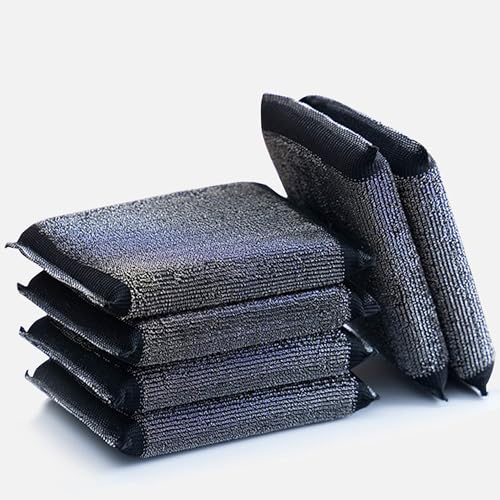
Steel wool scrubber: Our kitchen scrubbers sponges are made of high-quality stainless steel wire and thick sponges, which enriches the foam and provides a powerful scrub, it does not leave a scratch on the surface.

【2-in-1 Dual-Sided Design for Versatile Cleaning】 Tough emery pad erases stubborn rust, burnt-on food, smoke stains, and greasy residue from stainless steel, grills, and cast iron. Soft sponge side is perfect for everyday dishwashing – glasses, plates, and non-stick pans (use gentle pressure) – without scratching.