

Ever wondered how to create a heat-safe potholder that actually works? The key is choosing the right materials and a simple knitting method.
With just a little yarn and some basic stitches, you can make a functional, durable piece that protects your hands.
Keep reading to learn how to craft your own potholder from start to finish.
Choose Cotton Yarn for Safe, Durable Potholders
Choosing 100% cotton yarn is your best option for safe and durable potholders. Pure cotton fibers won’t melt under heat, unlike synthetic alternatives such as acrylic or nylon, which deform around 300°F. Cotton chars instead, providing a visible warning before failure, so you know when it’s time to replace your potholder. Opting for natural cotton also reduces the risk of unexpected melting that can occur with blends containing synthetic fibers. For example, some top-rated loaf pans are made from heavy-gauge steel that resists warping under high heat, similar to how cotton withstands temperature extremes. For strength and insulation, select a thick yarn like worsted weight kitchen cotton. Just as the right KitchenAid attachments can optimize your kitchen tools, choosing the correct cotton yarn ensures optimal performance for your potholders. A roasting rack with sturdy stainless steel construction offers similar heat resistance and durability for your cookware. Mercerized cotton offers added durability and shape retention thanks to its smooth, shiny finish, while unmercerized cotton provides a matte, highly absorbent surface. Avoid synthetic fibers altogether, as they tend to soften and potentially melt when exposed to hot cookware. Cotton withstands repeated washing without losing its integrity, making it a practical choice for everyday use. Overall, choosing 100% cotton yarn ensures your potholders provide reliable heat protection and long-lasting performance.

Content: 100% mercerized cotton, Care: This yarn for knitting, crocheting, amigurumi and craft projects is easy to care for, simply machine wash and tumble dry all crafted items at low heat.

Content: 100% mercerized cotton, Care: This yarn for knitting, crocheting, amigurumi and craft projects is easy to care for, simply machine wash and tumble dry all crafted items at low heat.

COTTON YARN FOR EVERYDAY MAKES: 24/7 Cotton is a smooth, 100% cotton yarn available in a wide range of vibrant, lasting colors. Ideal for crochet and knit kitchen sets, reusable bags, summer hats, and home décor projects that need clean stitches and durability.
Cast On 30 Stitches for an 8-Inch Square Potholder
To cast on 30 stitches for your 8-inch square potholder, you need to match your stitch count to your gauge. Since your gauge typically hits about 3.75 stitches per inch, 30 stitches will give you approximately an 8-inch width. Keep in mind that your yarn color doesn’t affect the stitch count, but your needle size does. Smaller needles create more stitches per inch, so you might need to cast on more than 30 to achieve the desired width. Larger needles spread stitches out, resulting in fewer stitches needed. Ensuring your needle size and yarn weight are consistent is as important as choosing durable stand mixers for heavy-duty kitchen tasks. After finishing your project, a gentle hand wash with mild soap helps remove any residue from the fibers.
Before starting, knit a quick swatch with your actual yarn and chosen needle size. Measure across a 4-inch section and divide that number by 4 to find your personal gauge. For example, if you get 4 stitches per inch, you’ll need 32 stitches for an 8-inch width. If your gauge is only 3 stitches per inch, then 24 stitches will produce the correct width. Adjust your cast-on number accordingly based on this measurement.
Consistent tension and careful choice of yarn and needle size are key to keeping your potholder square and accurate. Tight edges from overly tight tension can cause the bottom to shrink, distorting the shape. Conversely, loose tension can make the edges wavy or uneven. Take your time to maintain even tension throughout the cast-on process to ensure a perfectly shaped 8-inch square. For precise results, consider using a top rated food scale to weigh your yarn for consistent thickness across projects.


Bamboo knitting needles

Stainless steel material:Pinhead are made of stainless steel hollow tubes,Lightweight and smooth,Thread length made of high quality steel wire with,The are soft ,Not easy to break and durable, Compared with bamboo knitting needles, They are strong and durable,Lightweight and exquisite.
Knit Every Row in Garter Stitch for a Flat Fabric
Knit every row in garter stitch to create a flat, durable fabric. Start by casting on the required number of stitches. Work by knitting each stitch across every row without purl rows. After completing a row, turn your work and repeat the process. This consistent rhythm results in the characteristic ridged texture that makes garter stitch ideal for potholders. The fabric will lay flat without curling, thanks to this straightforward technique. Its thick, reversible structure also provides resilience. You can use standard garter stitch or adjust the edge tightness with alternative cast-on methods if necessary. For a project that requires mixing materials, a stainless steel bowl offers excellent durability and heat resistance for soaking or dyeing yarn. Continue knitting every row with even tension until your piece reaches the desired length. There’s no need for pattern counts or stitch changes—simply keep knitting row after row to form the perfect flat potholder base. For a different crafting approach, consider placing a cut piping bag into a piping bag as an alternative to using a nozzle. For additional heat protection, you might sew a backing layer of cotton to the finished potholder as a safety measure against hot surfaces.


Knitting Stitch Holders: High-quality aluminum, lightweight and durable, easy to open and close, smooth surface and sturdy structure prevent bending or breakage
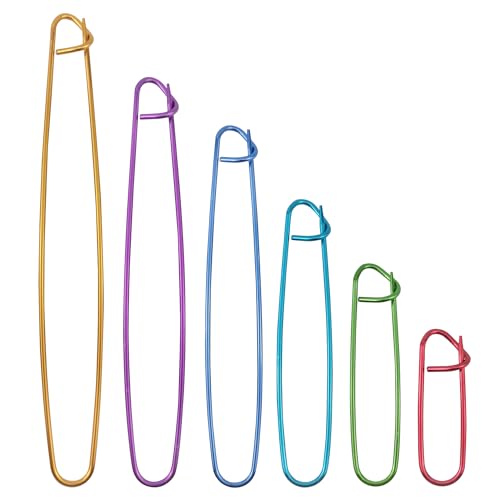
These knitting stitch holders are well-made, smooth without burrs to snag your yarn, easy to use and stay closed, holding stitches firmly in place without slipping.
Measure Your Knitting: Stop at 8 Inches
Measure your knitted fabric from the cast-on edge to the working edge, and stop when it reaches 8 inches. This ensures your potholder is a practical size and properly balanced. Relying on row counts alone can be misleading because knitting tension varies, affecting the final dimensions. Instead, use a ruler or tape measure as you knit, checking periodically to monitor growth. After a few rows, compare the size to your intended measurements to help predict the final size. Keep your tension consistent to achieve reliable results. Unlike KitchenAid mixing bowls, which require specific heat limits for microwave safety, your knitted potholder’s functionality depends on accurate sizing. To verify your potholder’s dimensions, use the same measuring tape method described for checking a Texas sheet cake pan.
Since square proportions matter, measure both the width and height. When both measurements near 8 inches and form a square shape, stop there. This approach is more accurate than simply counting rows, which can fluctuate with tension changes. Remember, your gauge depends on yarn and needle size, so early measuring is the best way to prevent surprises. Slight size adjustments from blocking are normal, but aim for that 8-inch goal to ensure a functional and balanced potholder.
Bind Off Your Potholder Loosely to Keep Edges Flat
Binding off loosely is essential to keep your potholder’s edges flat and flexible. A tight bind-off causes the edges to fan outward, making them wider and distorting the fabric. Instead, aim for controlled slack—enough to give the edge some stretch without excessive looseness. This helps your finished potholder lie flat and maintain its shape. Too loose a bind off can cause the edge to fan out horizontally, diminishing the neatness of the finished piece. Choosing the right material is also important, as cotton yarn is often preferred for its heat resistance and durability. A piping tips chart pdf can help you identify specialized edges if you are adapting a knitting technique for decorative effects.
Several binding techniques can help you achieve this. Try binding two stitches together, then returning the new stitch to the left needle and repeating. Alternatively, add yarnovers between stitches to create extra space. Your tension control is crucial—allow for more slack during each bind-off stitch. Too tight, and you risk creating a stiff ridge that curls or flares. Watch for signs such as pulling or reduced stretch, which indicate your edge is too tight. Conversely, if the edge fans out excessively, it’s too loose. Using a half sheet pan for blocking can help ensure your potholder dries flat and even.
Work your bind-off in pattern to preserve the fabric’s structure, and aim for a consistent stitch size throughout. When you finish, cut your yarn tail and pull it through the last loop, then secure it cleanly. Your goal is a flat, even edge that remains flexible enough to resist puckering during use.
Add a Simple Hanging Loop Without a Crochet Hook
To add a simple hanging loop without a crochet hook, start by casting on 4 to 6 stitches. Knit a short garter strip, about 4 rows, to create a sturdy tab. Bind off, leaving an 8-inch tail. Thread this tail onto a tapestry needle. Fold the strip into a U-shape and position it at a corner of your potholder, away from the center. Using basic sewing techniques, stitch the loop’s base firmly to the edge of the potholder. This method mirrors the pattern’s approach of using a knit bind-off to finish the edge without additional tools. Pull the tail through the fabric to secure it, then anchor it with a few small stitches at the attachment point. This method ensures the loop is secure without puckering the edge, relying solely on knitting and sewing.

Cotton Loops for the 7" Traditional Size Potholder Loom: Custom-sized loops crafted to fit perfectly on the 7" x 7" Friendly Loom Traditional Potholder Loom, delivering smooth, consistent weaving without bunching or crowding. Loom and accessories are sold separately.

Made of cotton material, featuring good high temperature resistant and durability, suited for weaving potholders.

Made of cotton material, featuring good high temperature resistant and durability, suited for weaving potholders.
Weave in Ends and Block for Maximum Heat Protection
Weave in all yarn tails securely before blocking to prevent slippage and maintain heat protection. After attaching the hanging loop, use a tapestry needle to thread the tails through existing stitches. Then, reverse direction to lock each tail in place, leaving at least a 4-inch tail for security. Don’t trim the ends until you’ve checked that the tails won’t slip during blocking, as shifting stitches can compromise heat resistance. Securing these loose ends is especially important because frequent washing can weaken them over time, similar to how dishwasher use can degrade certain materials over repeated cycles. Understanding different piping tips can inspire creative ways to add decorative surface details before blocking. To remove any baked-on residue from the yarn, gently soak the bag in warm, soapy water before rinsing.
Blocking is essential to shape and reinforce safety. Lightly dampen your potholder and lay it flat into its intended square without stretching aggressively; this maintains dense fabric for better heat resistance. Use rust-proof pins if the edges tend to curl. If you used different color variations or textured yarns, blocking evens out the look and aligns stitches neatly. To achieve a thick, curly edge through manipulation, allow the fabric to shrink in on itself naturally and massage it into shape. Allow the potholder to dry completely before moving it—this gentle shaping keeps it thick, durable, and better able to handle hot pots.

Content: 100% mercerized cotton, Care: This yarn for knitting, crocheting, amigurumi and craft projects is easy to care for, simply machine wash and tumble dry all crafted items at low heat.

Easy Care: Machine wash cold (max 86°F/30°C) on a delicate cycle, tumble dry on low heat using a delicate setting, and do not bleach, iron, press, or dry clean. Premium Quality Material: Made from pure cotton yarn that feels soft against your hands; perfect for creating beautiful dishcloths, kitchen towels, and amigurumi projects; the thick cotton texture ensures durability.

Fabric: Our fleeced knit infinity scarf for women is made of soft and warm yarn, high quality, fleece lined in the scarf made it more comfy and warm