

Ever wonder what makes a mixing bowl so essential in your kitchen? These versatile containers keep ingredients secure while you stir, whisk, or beat, preventing messes and making prep easier.
From small 1-quart bowls for eggs to large 8-quart sizes for big batches, the right choice depends on your cooking needs.
Keep reading to discover how to pick the best bowl for your kitchen tasks.
What Exactly Is a Mixing Bowl and What Is It For?
A mixing bowl is a large, round, and deep container specifically designed for combining ingredients in the kitchen. Its main purpose is to hold ingredients securely while you stir, whisk, beat, or fold them together. The bowl provides a stable, contained space that prevents spills and messes during mixing. It’s versatile enough for a variety of tasks, from beating eggs and whipping cream to tossing salads or coating foods with marinades. For precise liquid measurements, some mixing bowls feature spouts and clear measurement markings that rival dedicated liquid measuring cups.
Mixing bowls come in different sizes to suit different needs; smaller bowls are perfect for sauces and dressings, while larger ones can handle dough and batter. Many bowls have features like lids, allowing you to proof dough, melt chocolate, or store leftovers without transferring to another container. When paired with a stand mixer, a compatible bowl is essential for using Kitchenaid attachments that mix, slice, or grind ingredients efficiently. To achieve the most accurate results for your recipes, a high-quality scale can be used alongside the bowl for precise cooking of ingredients like flour or sugar. Whether you’re preparing a quick snack or making a large batch of bread, a mixing bowl keeps your work organized and your process efficient.
Stainless Steel vs. Glass: Which Mixing Bowl Material Is Right for You?
Stainless steel is the better choice if you need a durable mixing bowl that can withstand rough handling and high-volume tasks. It is lighter, tougher, and resistant to shattering, making it ideal for frequent use with hand mixers and whipping cream. Steel bowls tolerate vigorous mixing and won’t chip or break if dropped, which is perfect for busy kitchens. Additionally, stainless steel cools quickly, making it suitable for temperature-sensitive preparations like chilling or working with ice-cold ingredients.
Glass bowls, on the other hand, excel when microwave safety and visibility are priorities. You can reheat ingredients directly in the bowl, melt butter, or warm sauces without transferring to another container. However, glass is more prone to chipping or breaking if dropped, so it may not handle rough treatment as well. It also tends to be heavier, which could make handling more cumbersome during heavy mixing. For tasks requiring constant temperature monitoring or microwave use, glass offers a convenient option, but for durability and heavy-duty tasks, stainless steel outperforms.

AIRTIGHT LIDS & 3 GRATER ATTACHMENTS:The airtight lids that come with this mixing bowl set make it easy to store ingredients and leftovers without worrying about spills or leaks. 3.5qt had a removable lid inside the main lid, for adding contents or pairing it with your blender without removing the entire lid to prevent splash. This bowl set comes with 3 different grater attachments (slicing/grating/shredding) just shred or slice right into the bowl!
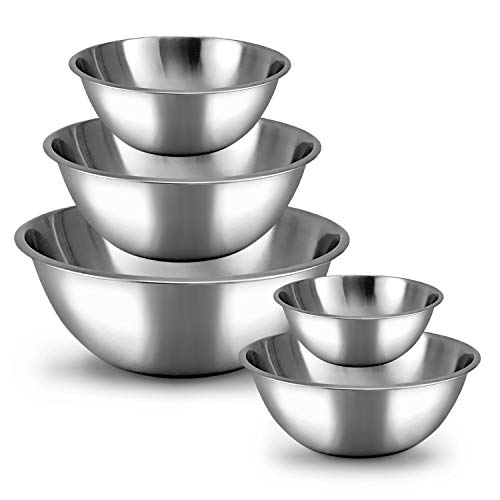
Complete Mixing Bowls Set Ideal for meal prep, or making pancakes, our 5-piece nesting mixing bowls add convenience and versatility to your kitchen.

Comprehensive Size Variety: Elevate your culinary skills with our complete set of 5 stainless steel mixing bowls with lids set, ranging in size from 1.5 to 5 quarts. Whatever the task you'll find the perfect size for every task.
Mixing Bowl Sizes: What Size Works Best for Your Cooking Tasks?
For most home cooking tasks, a mixing bowl between 1 and 8 quarts works best. For small jobs like whisking eggs or preparing dressings, a 1 to 2-quart bowl is ideal because it keeps messes contained and is easy to handle. When making cake batter or muffins, a 2 to 3-quart bowl provides enough space for mixing without overkill. For family-sized salads or cookie dough, a 3 to 4-quart bowl offers a good balance of capacity and ease of use. Larger batches, such as bread dough or big cooking projects, call for a 4 to 6-quart bowl to allow room for kneading and mixing thoroughly. When preparing for parties or baking several loaves at once, an 8-quart bowl provides ample space to accommodate extra-large volumes comfortably. Choosing a bowl within this size range ensures your kitchen remains organized and your tasks stay efficient. For a more permanent mixing setup, a stainless steel bowl mixer offers superior durability and consistent performance for heavy-duty tasks. For those seeking a dedicated mixing solution, top piping for bags reviews recommend matching bowl capacity to specific baking volumes for best results. However, to ensure accurate measurements for your recipes, remember that dry measuring cups are best for solid ingredients while liquid measuring cups are designed for fluids.

Shallow Sides – 4 quart oversized mixing bowl with deep sides ideal for batters, sauces and more
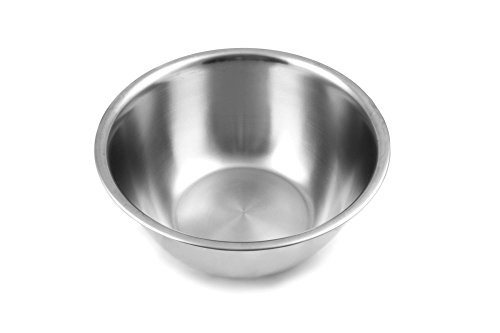
Fox Run Stainless Steel Large Mixing Bowl, 10.25 x 5.25 inches, 4.25 Quart Capacity

Smart Kitchen Essential: This large stainless steel mixing bowl makes baking and cooking effortless with its 5.5-quart capacity, ideal for mixing bread dough, batters, and large recipes
Non-Slip Bases and Flared Rims: Design Features That Actually Help
Non-slip bases and flared rims are essential features that improve your mixing experience. A non-slip base provides extra grip on your countertop, preventing your bowl from sliding during vigorous whisking or when working with thick doughs. This stability allows you to work more confidently, adding ingredients with one hand without worrying about spills or accidents. The bowl’s reinforced thick rim enhances stability and prevents bending or warping under pressure, making it ideal for daily heavy use. For perfectly cooked bacon, using a heavy-duty baking sheet ensures even heat distribution and prevents warping at high oven temperatures.
Flared rims enhance pouring control by guiding liquids or batters straight into your pans, reducing drips down the sides. The wider lip also makes handling easier by offering a more comfortable, secure grip. This ergonomic design reduces hand fatigue when lifting or tilting a full bowl. For best performance, pair your mixing bowl with silicone baking mats to protect your countertops from heat or scratches during use. Combining these features helps you work more efficiently, keeping messes to a minimum and making your mixing tasks safer and more precise. For additional protection, you can also place parchment paper under the bowl to catch any stray drips and simplify cleanup.
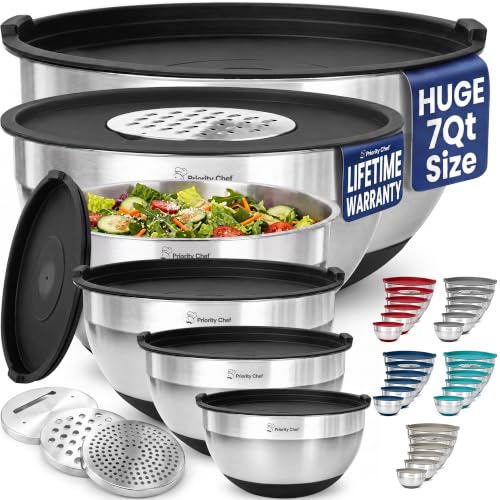
HUGE 7Qt CAPACITY — 6 nesting stainless steel mixing bowls from 1 to 7 quarts handle everything from whisking one egg to baking and kneading dough for a crowd, then nest into the space of a single bowl when you are done.
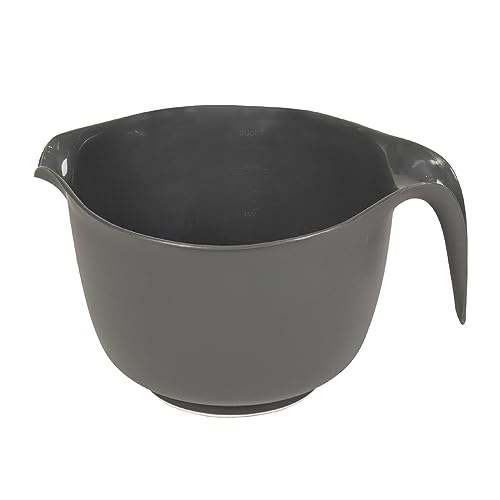
HEAVY DUTY MIXING BOWL – A household essential for every kitchen, this durable plastic mixing bowl has a 3-quart (12-cup) capacity for a variety of cooking and baking needs.

【HIGH QUALITY】P&P CHEF Mixing Bowls are made of pure stainless steel which resist dents and rust, With a mirror finish inside and a satin finish outside, 6 Colored lids are food-grade plastic made, Both materials are safe and healthy for your everyday use
How to Choose a Mixing Bowl Based on What You Cook Most Often
The best mixing bowl for your needs depends on what you cook most often. If you bake frequently, tempered glass bowls are ideal because they show batter layers clearly and can handle warm ingredients without cracking. For bread and dough, a 5-quart stainless steel bowl is the best choice due to its flat bottom, which stays stable during folding and kneading. If your focus is on sauces, small 1- to 2-quart stainless steel bowls make whisking and mixing easier thanks to their size and durability.
When choosing, always consider utensil compatibility. Metal tools can scratch plastic bowls but are safe for steel or glass. Lightweight, dishwasher-safe materials like stainless steel or silicone simplify cleanup, especially if you cook often. Heavy ceramic bowls look attractive but are less practical for daily use because they are fragile and hard to handle with frequent mixing. Keep them for serving instead.

Extra Deep – 5 quart oversized mixing bowl with deep sides ideal for batters, sauces and more

THE NESTING BOWLS for BATCH-AND-BAKE KITCHENS — Mix, chill, freeze, and wash without complaint. This stainless steel mixing bowl set is designed for scratch cooks working in stages, eliminating the cabinet clutter of mismatched mixing bowls.

This mixing bowl has a capacity of 5 quarts