Wondering whether to use glass or metal for your loaf pan? The choice mainly affects how your baked good develops — slower, more even baking with glass, or quicker, crisper crusts with metal.
Your final pick depends on the texture and baking style you prefer. Keep reading to see which option suits your recipes best.
Glass vs Metal Loaf Pans: How Do They Heat Differently?
Metal pans, especially aluminum, heat your batter quickly because of their high thermal conductivity. This means the heat travels rapidly through the metal, resulting in faster baking times and a more evenly browned crust. Aluminum pans, whether shiny or dark-coated, respond instantly to oven heat changes, giving you better control over baking.
In contrast, glass pans heat more slowly and gradually due to their lower thermal conductivity. Glass’s denser structure spreads heat unevenly, which can lead to hotspots or undercooked areas. It buffers temperature changes, causing the baking process to take longer and making it less responsive to oven temperature fluctuations. For delicate batters, a springform pan offers the advantage of removable sides for easy release.
Thermal expansion also differs between the two materials. Glass stores heat and can radiate it even after removal from the oven, which may affect how your baked goods finish. Metal pans cool down faster, shedding heat quickly and reacting immediately to shifts in oven temperature. Dark-coated aluminum pans tend to absorb more heat and speed up baking further, while shiny metal pans stay moderate in their heat absorption. For better handling of dense doughs, stand mixer performance can influence how evenly the batter is prepared before baking. For stubborn baked-on residue on metal pans, soaking in warm soapy water is an effective first step before scrubbing. Managing these differences is key to achieving the perfect bake.

Natural aluminum commercial bakeware is made of pure aluminum which will never rust for a lifetime of durability
![Waytiffer Loaf Pans [25 Pack] 2Lb Heavy Duty Disposable Aluminum Foil Premium Bread Tins Standard Size - 8.5" X 4.5" X 2.5" Perfect for Homemade Cakes & Breads](https://m.media-amazon.com/images/I/41Oo8cFzkmL._SL500_.jpg)
STANDARD SIZE--- Pans Dimensions: 8.5”L x 4.5” W x 2.5”H,Great for holding bread, cookie and cake batters, fruit and veggie salads, quiches, and beyond.

Naturals Bakeware collection is made of pure aluminum for superior heat conductivity and produces consistent evenly browned baked goods every time
How Does Each Material Affect Bake Time and Crust?
Glass heats up more slowly and retains heat longer than metal, so you should lower your oven temperature by about 25°F and add 5 to 10 minutes to the bake time when using glass pans. This slower heat transfer results in a crust that is darker and drier at the edges, while the center may lag behind, increasing the risk of overbrowned sides and a pale top. Metal pans, on the other hand, heat faster and distribute heat more evenly, producing a crisp, golden crust in less time. It’s also important to consider appliance compatibility: glass is microwave-safe, but metal pans are not. Cleaning is another factor—glass resists stains due to its non-porous surface, whereas metal can react with acidic batters. To ensure your baked goods are fully cooked, use a thermometer to check internal temperature rather than relying solely on crust color, as glass pans can fool you into thinking the crust is done when the center still needs more baking.
When Should You Use a Glass Loaf Pan?
Glass pans are ideal when you need even, steady heating for your baked goods. They work well with acidic batters like berry loaves or fruit-heavy cakes because glass won’t react with the acidity, preserving the original flavors. Quick breads, pound cakes, and dense batters also benefit from glass’s slow, uniform heat, which helps create tender textures without burning the crust.
Glass is especially useful for dishes like bread pudding or baked French toast, as it retains warmth for serving. Its transparency allows you to monitor browning without lifting the pan, ensuring your baked goods come out just right. Cleaning is straightforward since glass resists staining from acidic ingredients and wipes clean easily, making it a practical choice for those who prioritize ease of cleanup.
When serving baked goods directly from the pan, glass is convenient because it moves from oven to table neatly. Just be sure your recipe is compatible with glass baking and adjust your baking time if needed to prevent over- or undercooking.

INCLUDES: This glass bakeware set contains (3) basic loaf dishes. Perfect for baking all manner of dishes
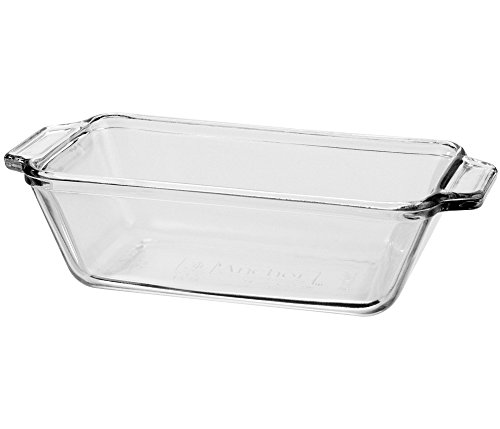
1.5-quart capacity loaf dish of Anchor Hocking Clear Glass

STRONG BOROSILICATE GLASS - Razab borosilicate glass loaf pan is Heat Resistant Up To +500°F. Specially designed so heat is evenly distributed, avoiding burned spots. It is safe for a pre-heated oven, microwave, freezer, or top rack of the dishwasher.
What Are the Downsides of Glass Pans?
Glass loaf pans heat up more slowly compared to metal pans, which can lead to uneven baking. You might notice the edges browning before the center is done, so you’ll need to keep a close eye on it and possibly adjust your oven temperature downward by about 25°F. For decorating baked goods, using piping tips can help achieve consistent designs regardless of pan material. Thermal shock is also a significant concern; sudden temperature changes—from placing a hot pan on a cold surface or adding cold liquids—can cause the glass to crack or shatter unexpectedly. Additionally, glass pans are fragile and prone to breaking if dropped or mishandled. While they tend to be less expensive initially, their shorter lifespan and increased risk of damage can make them less economical over time. They also tend to be heavier and take longer to cool down after baking. For those who use a mixer, Kitchenaid mixer attachments can help achieve consistent results regardless of pan material.
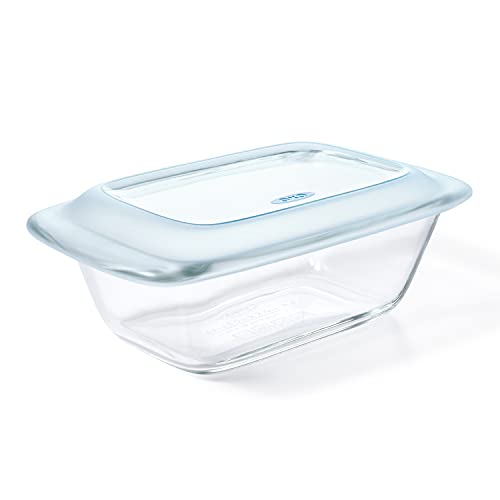
Thermal-shock-resistant borosilicate glass can go from the freezer of fridge to microwave or oven without cracking

Ovenproof glass

Borosilicate Glass: to monitor the uniform cooking of your dough
Which Loaf Pan Should You Choose for Your Recipe?
If you’re choosing a loaf pan for your recipe, stick with the material the recipe calls for whenever possible—it’s the most reliable path to the right texture and doneness. For most everyday baking, opt for metal. Metal pans heat quickly, promoting deeper browning and better crust development, especially for banana bread, yeast breads, and meatloaf. This results in a faster caramelized exterior and more flavor. For those who prefer metal bowls for mixing, a stainless steel bowl offers the same benefits of durability and even heat conduction found in quality metal bakeware.
Glass pans are best for slower-baked dense loaves such as fruitcake. Because glass heats more gradually, it prevents burning and helps even out the baking process. Keep in mind that glass pans are heavier and more fragile than metal ones, which can affect storage and handling. For those prioritizing accuracy and consistency, a high-quality cooking scale can help, just as a top rated food scale offers precise measurements for your recipes.
If you need to substitute materials, remember to lower the oven temperature by 25°F when using glass. Also, expect an additional 5 to 15 minutes of bake time. Choosing the right loaf pan material depends on your recipe’s specific requirements and your priorities for texture, crust, and ease of handling.